

OUR Hospital Services
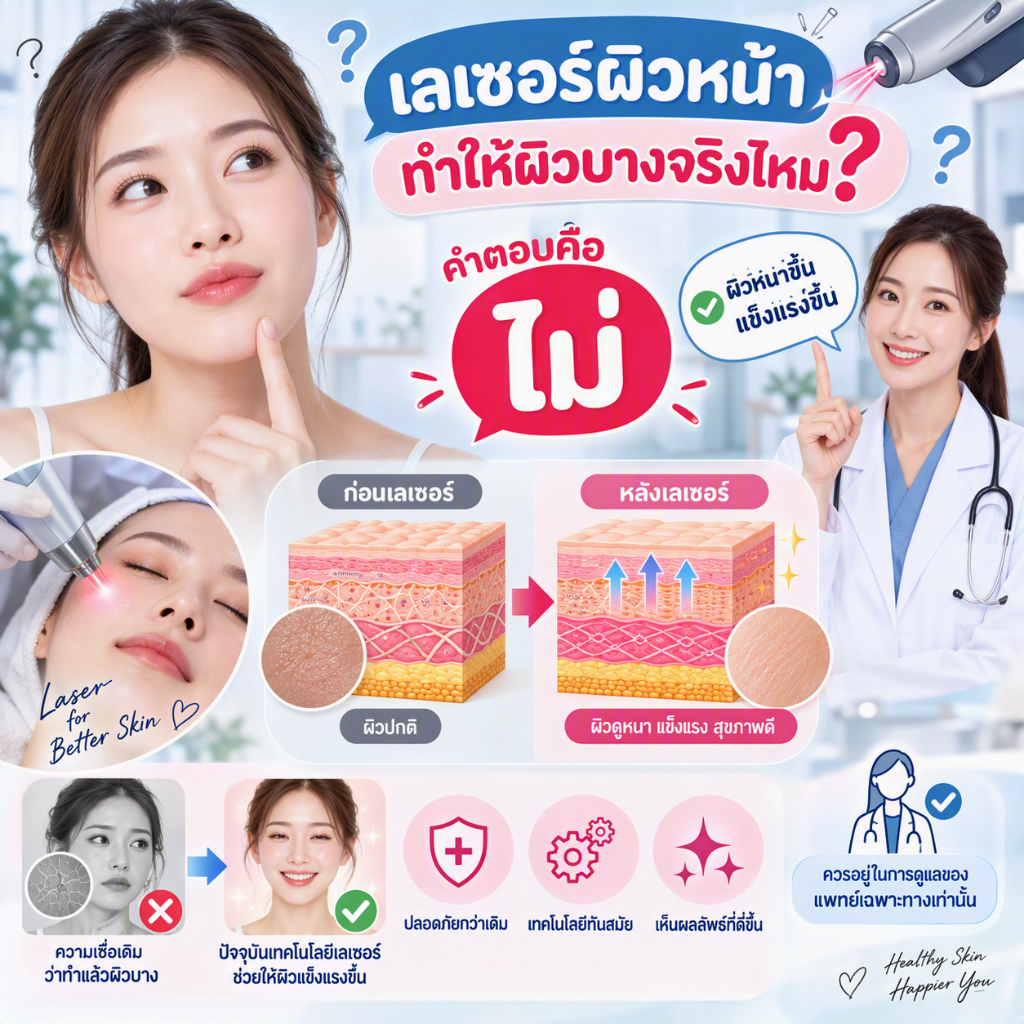
does facial laser treatment thin the skin? เลเซอร์ผิวหน้าทำให้ผิวบางจริงไหม?
Myth busted: Modern facial laser treatments do not thin the skin; instead, when performed by a specialist, they build collagen to make it thicker and stronger.

Simple Tips for Treating Athlete’s Foot (เคล็ดลับง่ายๆในการรักษาโรคน้ำกัดเท้า)
Prevent athlete’s foot by washing and drying feet thoroughly, changing socks daily, avoiding shared towels, wearing sandals in public showers, keeping feet ventilated, and consulting a doctor if symptoms occur.

5 Tips for Brighter Skin (5 ข้อ เพื่อผิวกระจ่างใส)
For smooth, radiant skin, cleanse gently, apply makeup downward, enjoy deep cleansing treatments, exfoliate regularly, and let your skin rest makeup-free at least once a week.
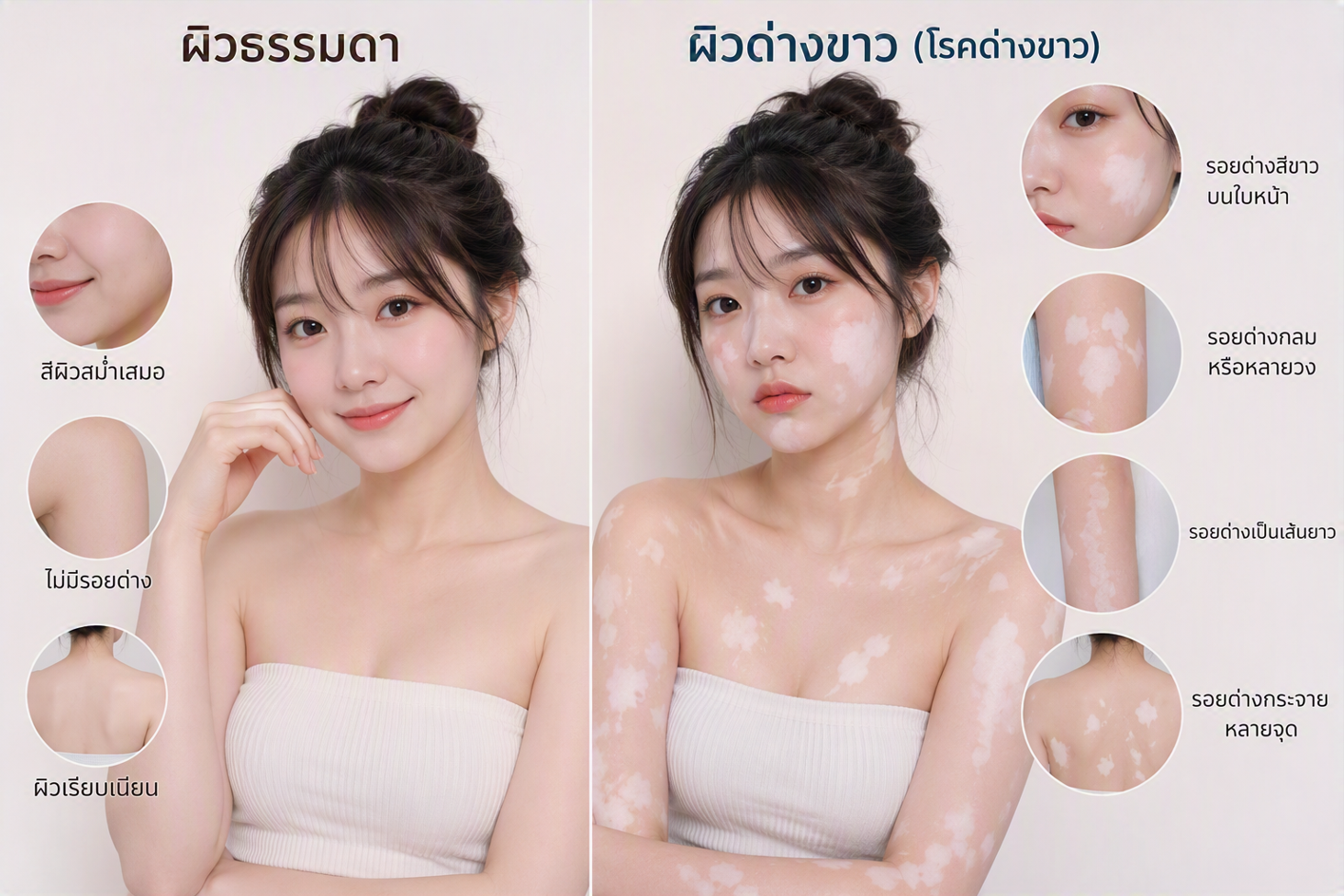
Vitiligo (โรคด่างขาว)
Vitiligo is an autoimmune skin disorder that destroys melanocytes, causing white patches; it can affect anyone, is not contagious, and may be treated with topical medications, phototherapy, laser therapy, or pigment transplantation.
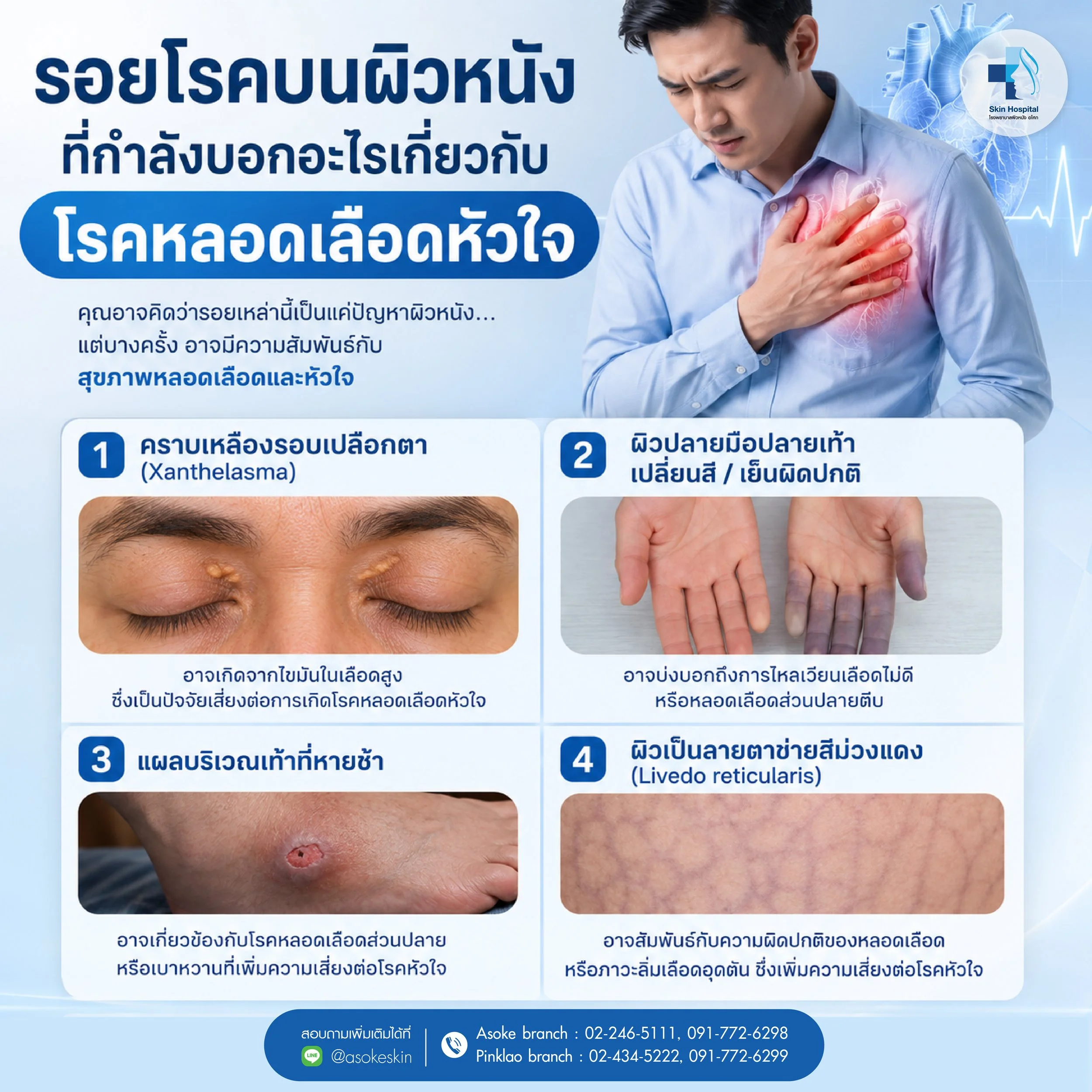
Skin Lesions That May Signal Coronary Artery Disease (รอยโรคบนผิวหนัง ที่กำลังบอกอะไรเกี่ยวกับโรคหลอดเลือดหัวใจ)
Skin changes such as xanthelasma, poor circulation, slow-healing foot wounds, or livedo reticularis may signal vascular risk and warrant medical evaluation, especially with heart-disease risk factors.

Hair Care (ดูแลรักษาผม)
Proper hair care involves gentle cleansing, avoiding excessive heat and tight hairstyles, limiting chemical treatments, and eating a balanced diet rich in essential nutrients to maintain healthy hair.
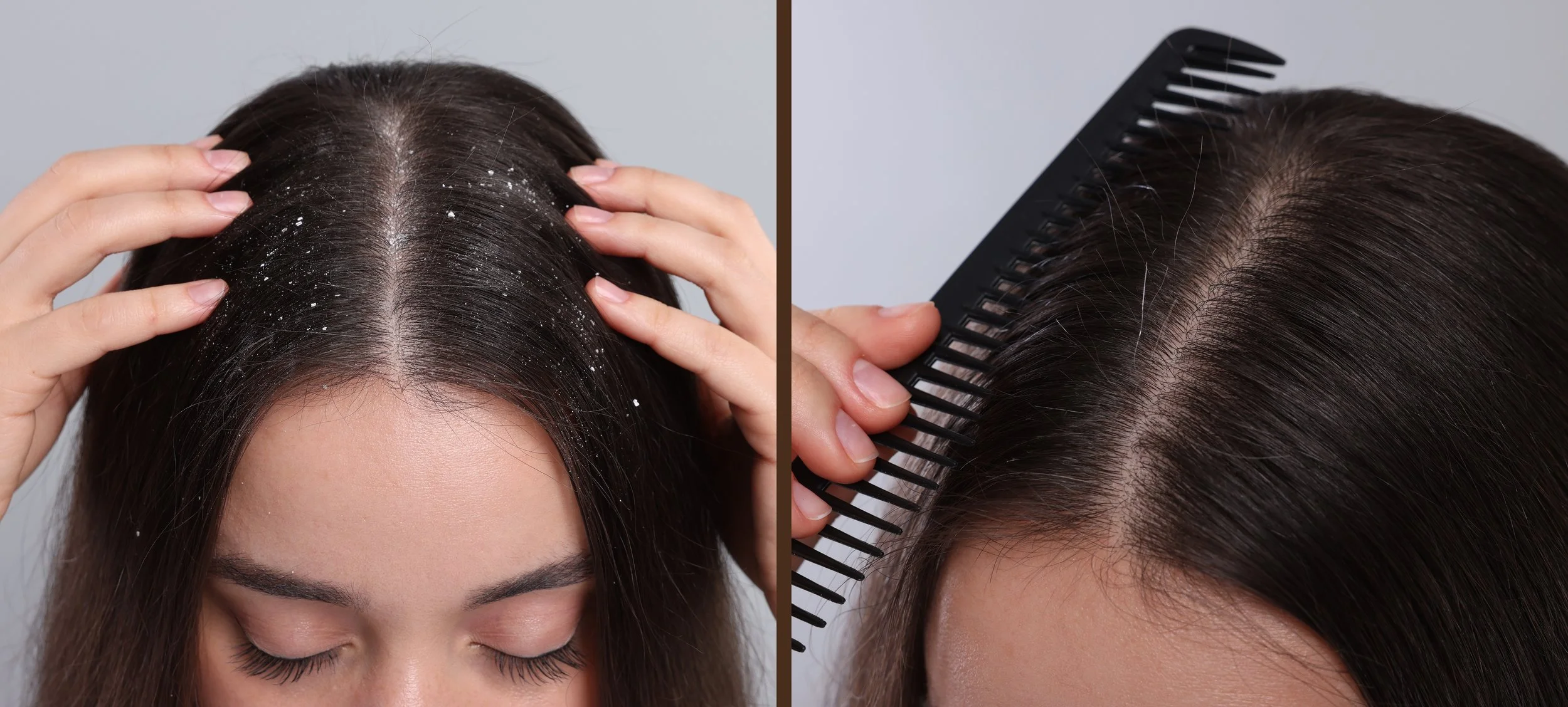
How to Get Rid of Dandruff (อยากขจัดรังแคต้องรักษาอย่างไร)
Treat dandruff by using anti-dandruff shampoo, maintaining proper scalp care, avoiding triggers, and consulting a doctor if symptoms are severe or persistent.
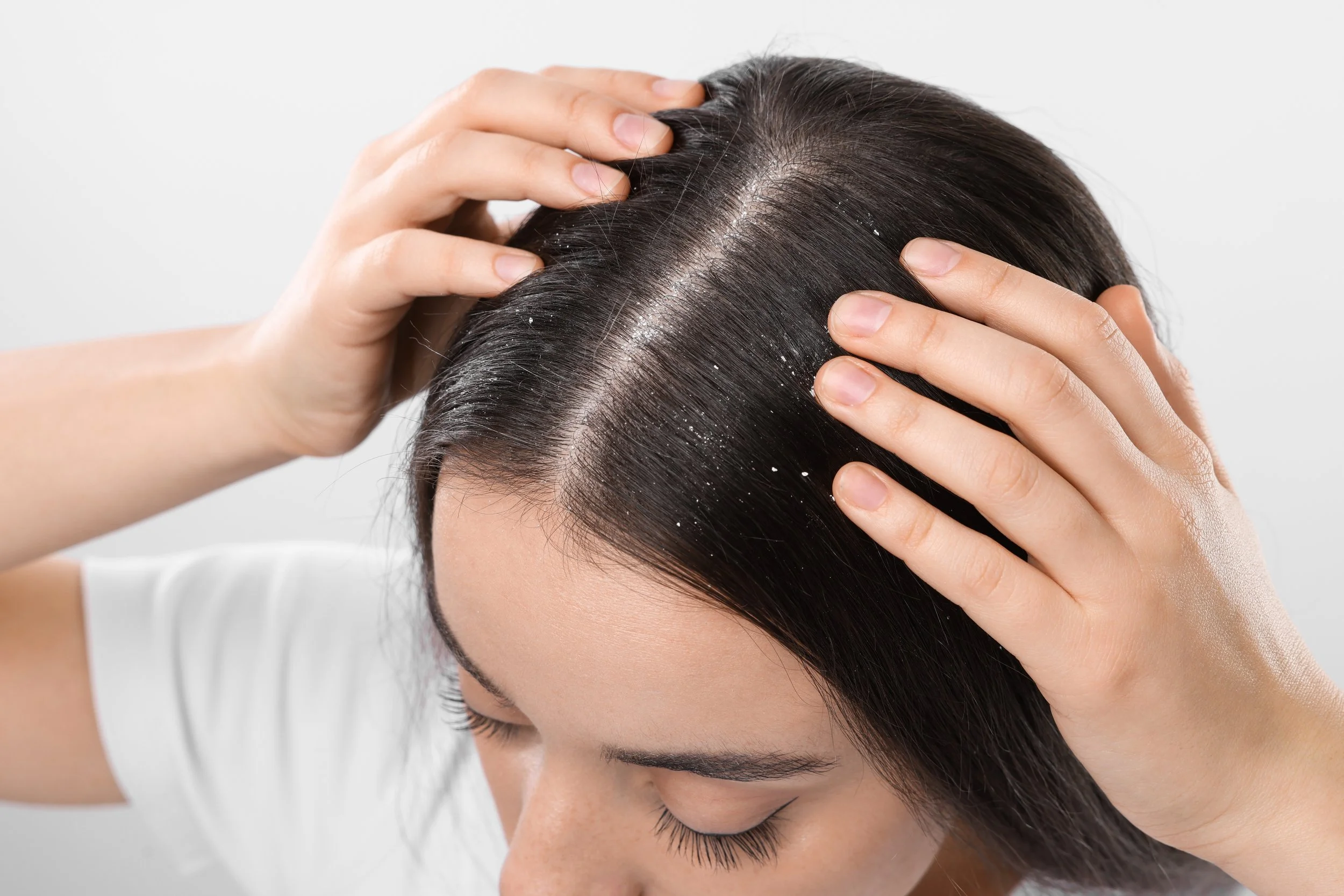
Dandruff (รังแค)
Dandruff is caused by accelerated scalp cell turnover, often linked to Malassezia yeast, scalp imbalance, and lifestyle factors such as stress, poor sleep, and weakened immunity.
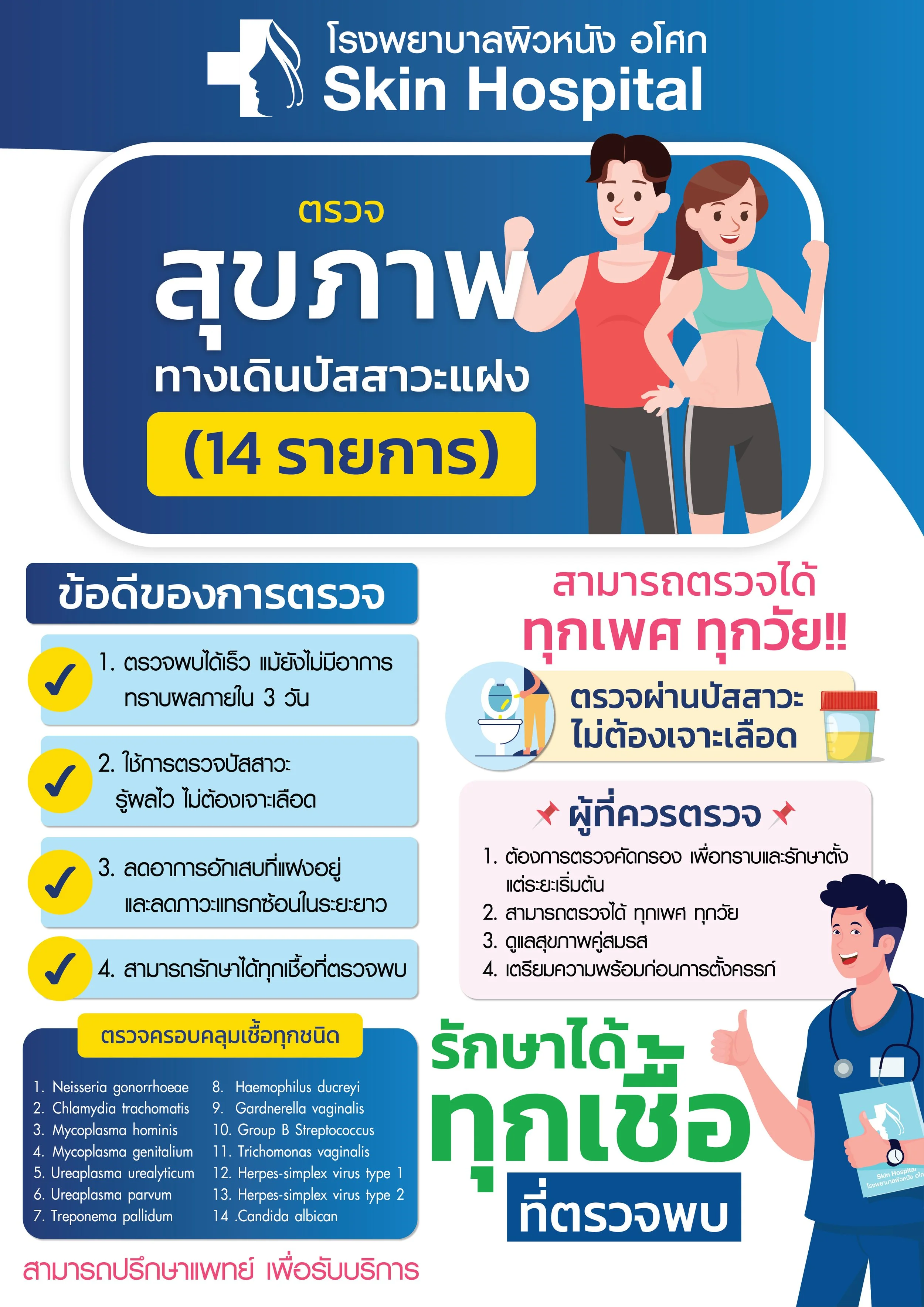
wellness ตรวจสุขภาพทางเดินปัสสาวะแฝง
Detect hidden urinary tract infections early with a simple urine test—fast results in 3 days for timely treatment and better long-term urinary health.
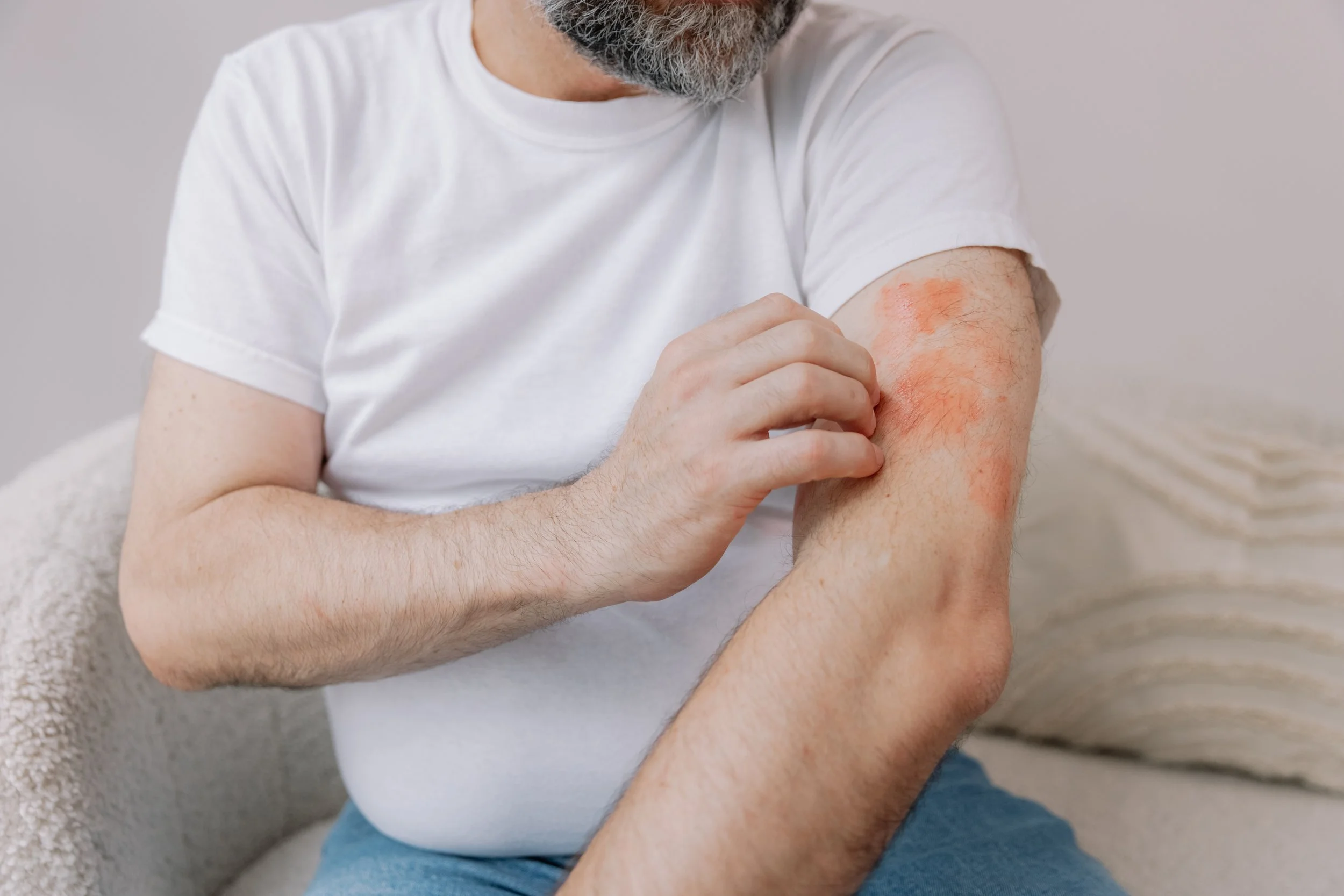
Nummular Dermatitis (ผื่นผิวหนังอักเสบ)
Nummular dermatitis is a chronic, non-contagious coin-shaped eczema that causes itchy or non-itchy round plaques and is managed with moisturizers, medium- to high-potency topical corticosteroids, treatment of any underlying infection, and regular medical follow-up.
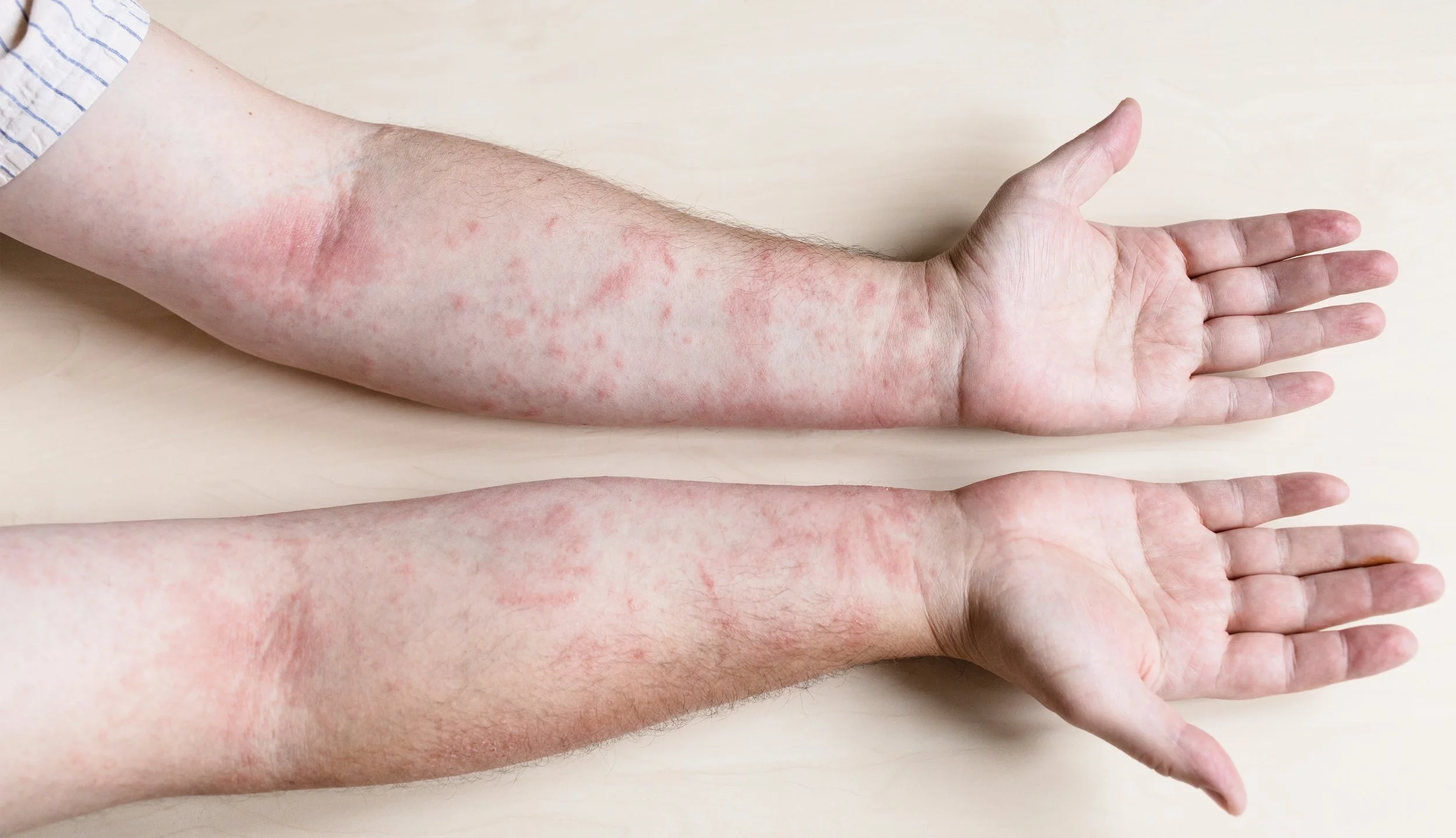
Contact Dermatitis (ผื่นแพ้สัมผัส)
Contact dermatitis is an inflammatory skin condition caused by contact with irritants or allergens, leading to redness, itching, swelling, or blisters, and is best managed by avoiding triggers and caring for the skin.
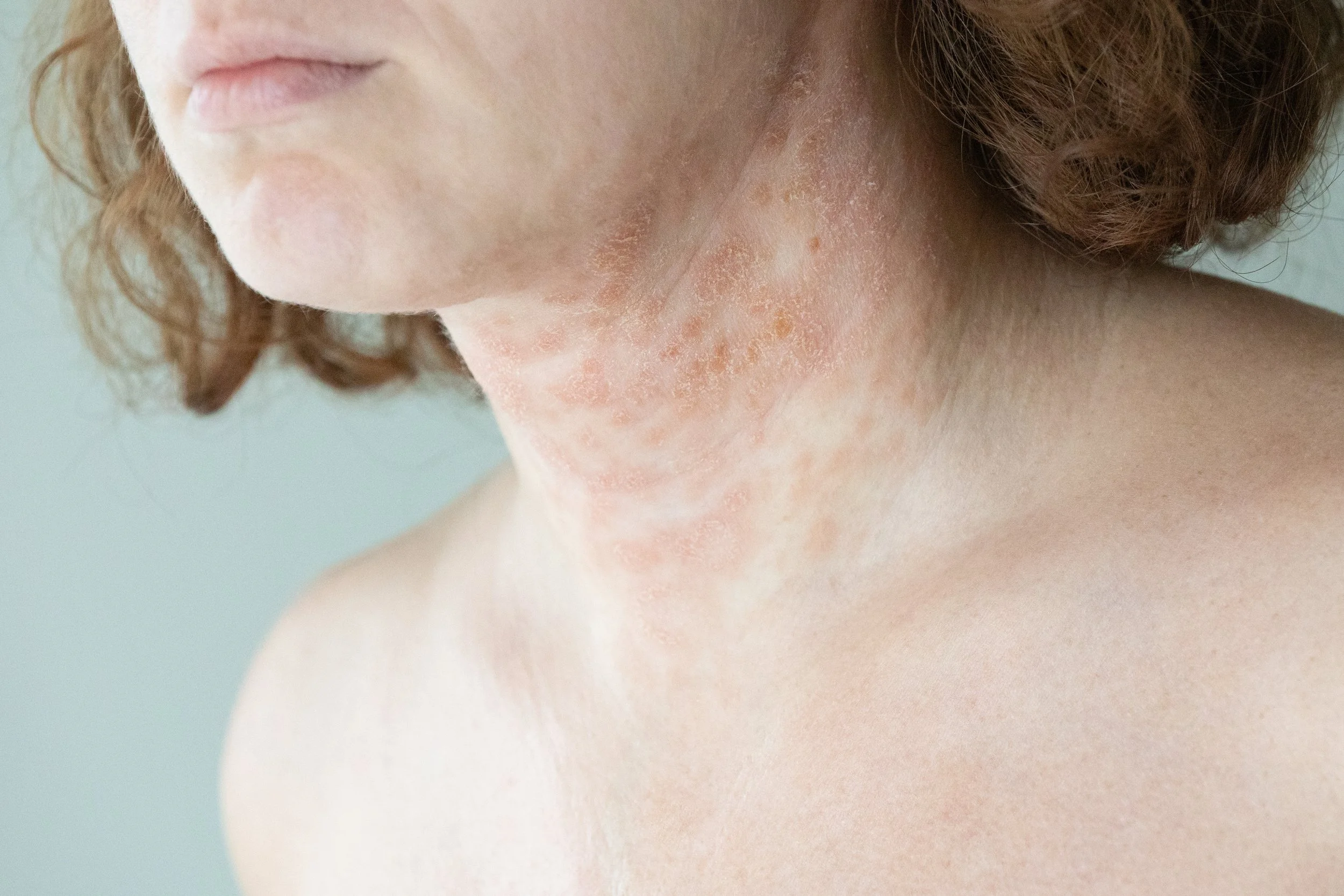
Atopic Dermatitis(ผื่นภูมิแพ้ผิวหนัง)
Atopic dermatitis is a common chronic childhood skin condition causing dry, itchy skin, managed by avoiding triggers, proper skin care, and ongoing medical follow-up.
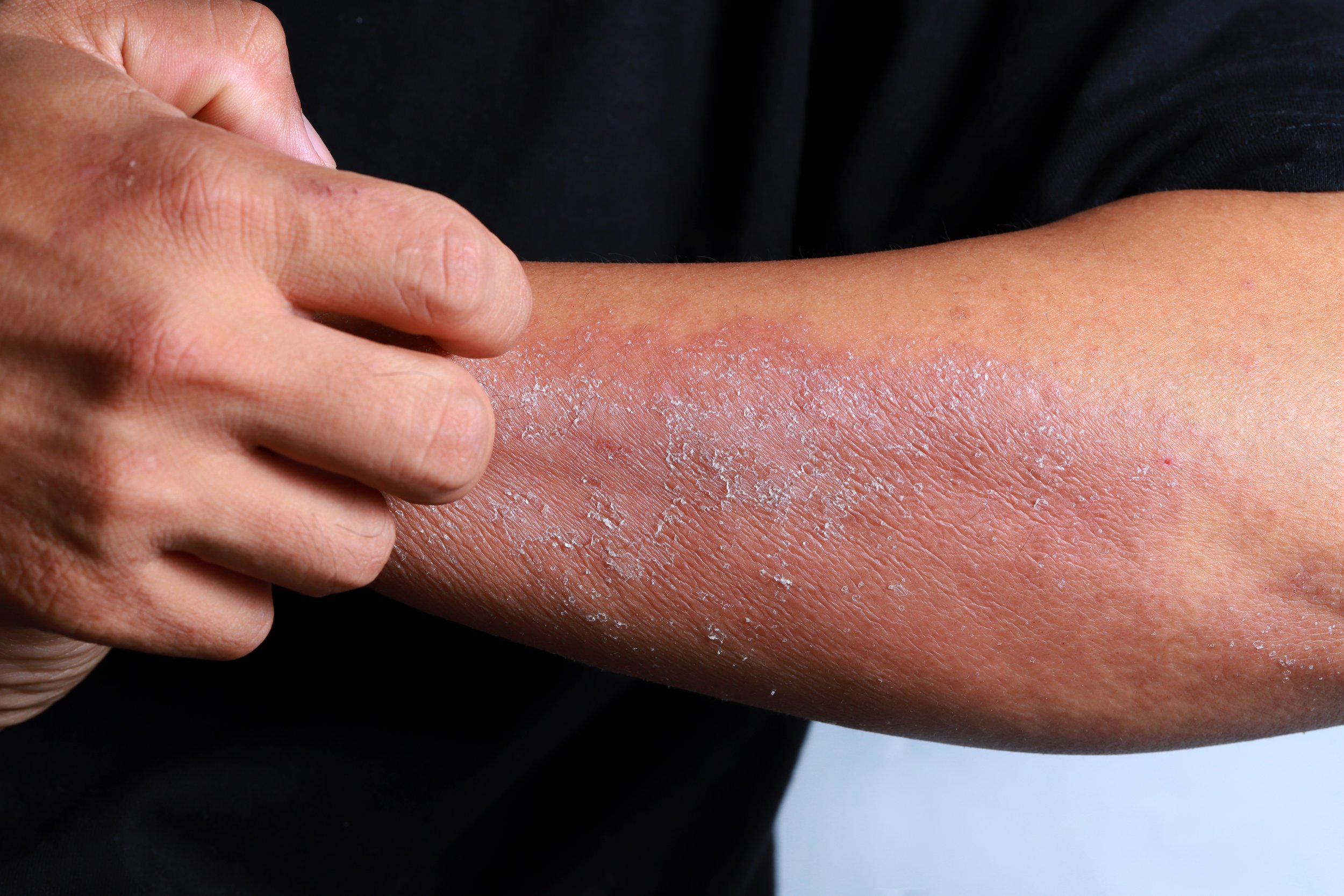
Eczema หรือ Dermatitis
Eczema (Dermatitis) is a non-contagious inflammatory skin condition causing itchy, irritated rashes that progress from acute (red, oozing blisters) to subacute (dry, scaly skin) and chronic (thickened, darkened, intensely itchy skin).
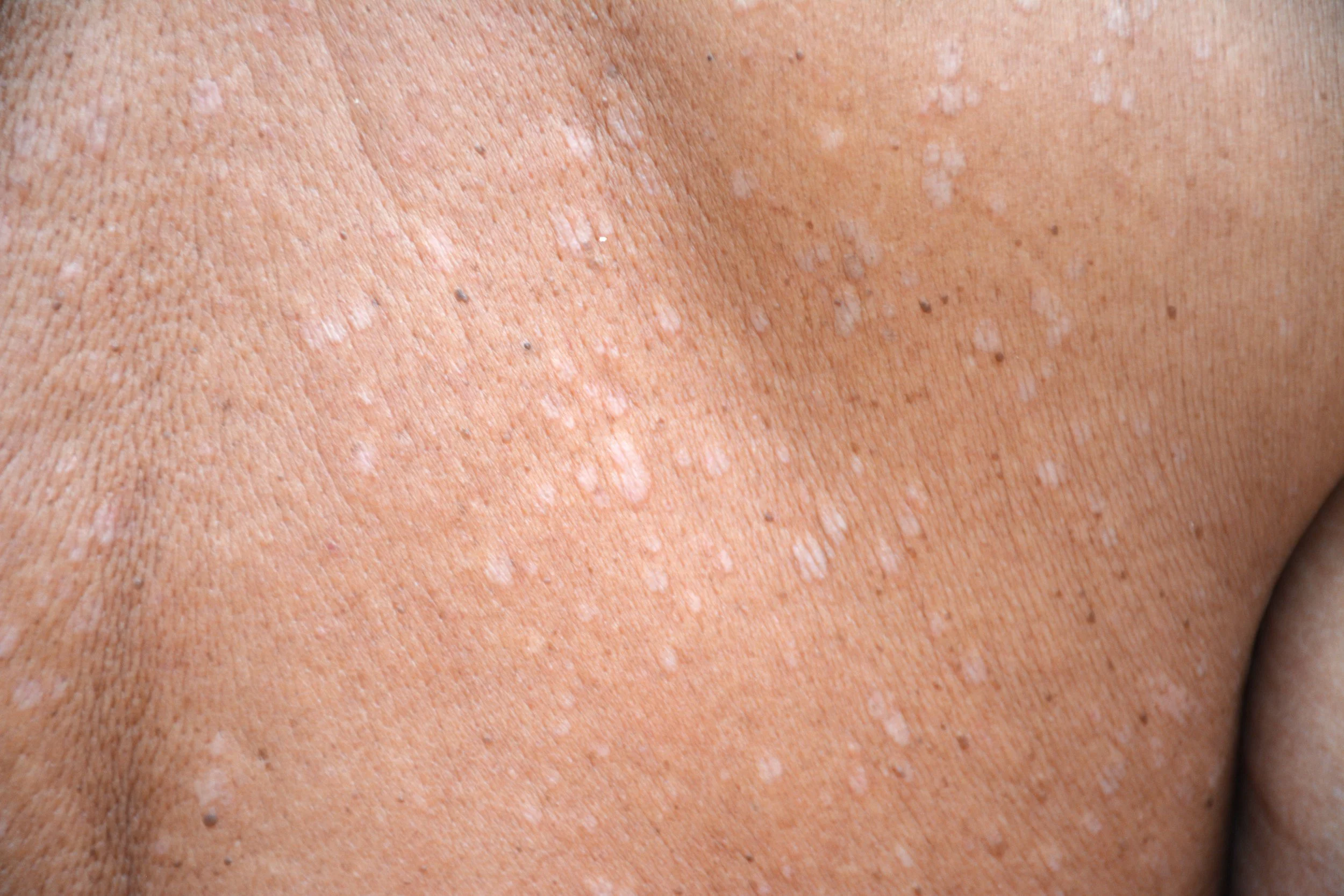
Pityriasis Versicolor(เกลื้อน)
Pityriasis versicolor (tinea versicolor) is a common superficial fungal skin infection caused by overgrowth of Malassezia, resulting in discolored, slightly scaly patches that are treated with antifungals and helped by keeping the skin clean and dry.

What type of vitiligo is it (โรคด่างขาวที่เจอเป็นชนิดไหนกัน)
Vitiligo is classified by lesion distribution into five types: focal (localized), segmental (one-sided), acrofacial (fingers, toes, and around the mouth), vulgaris (widespread), and universal (nearly entire body), with the latter three more commonly associated with endocrine diseases such as thyroid disease and diabetes.
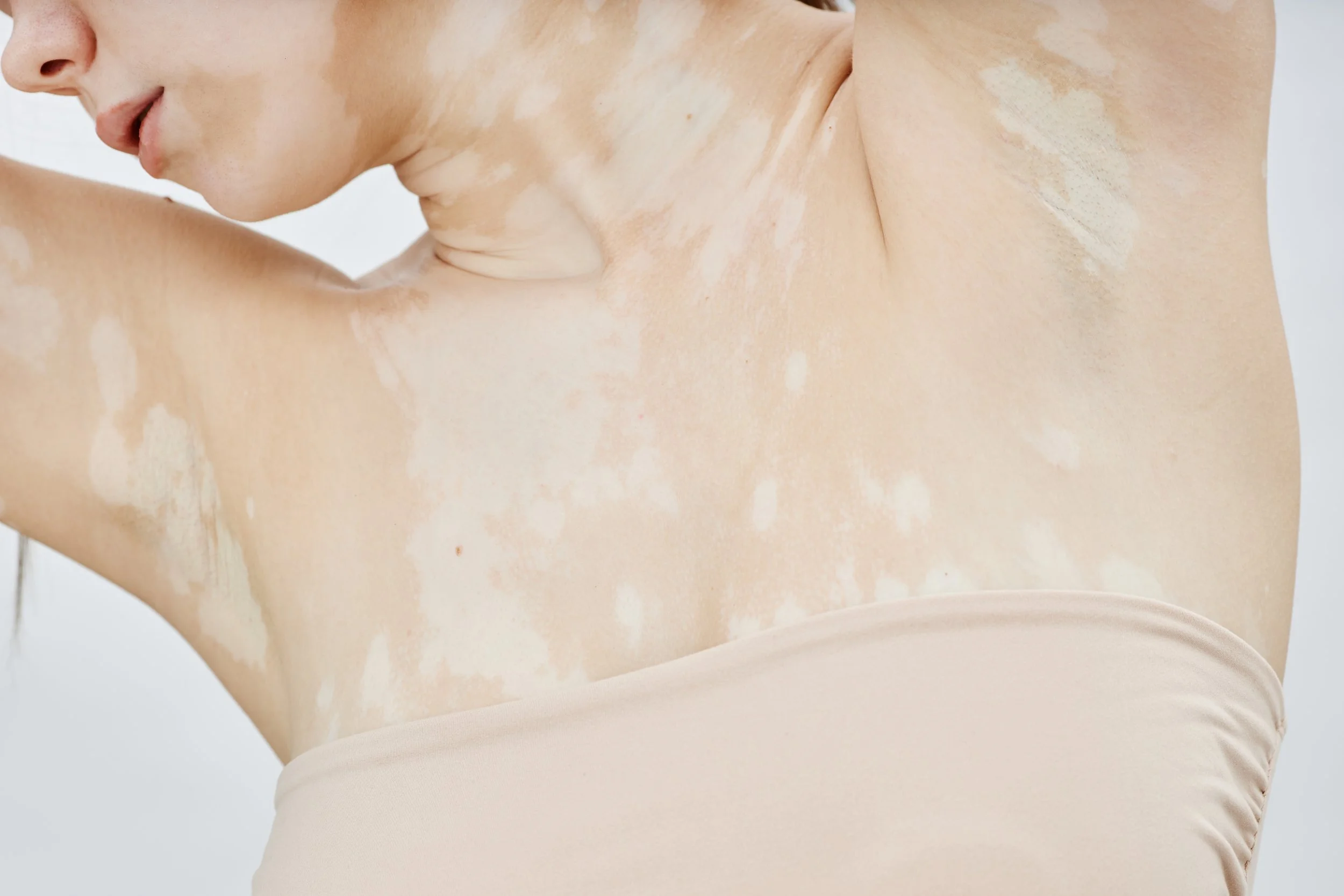
Vitiligo(ด่างขาว)
Vitiligo is a chronic skin condition in which loss of pigment-producing cells causes well-defined white patches on the skin; while incurable, treatments can help restore skin color and proper skin care supports management.
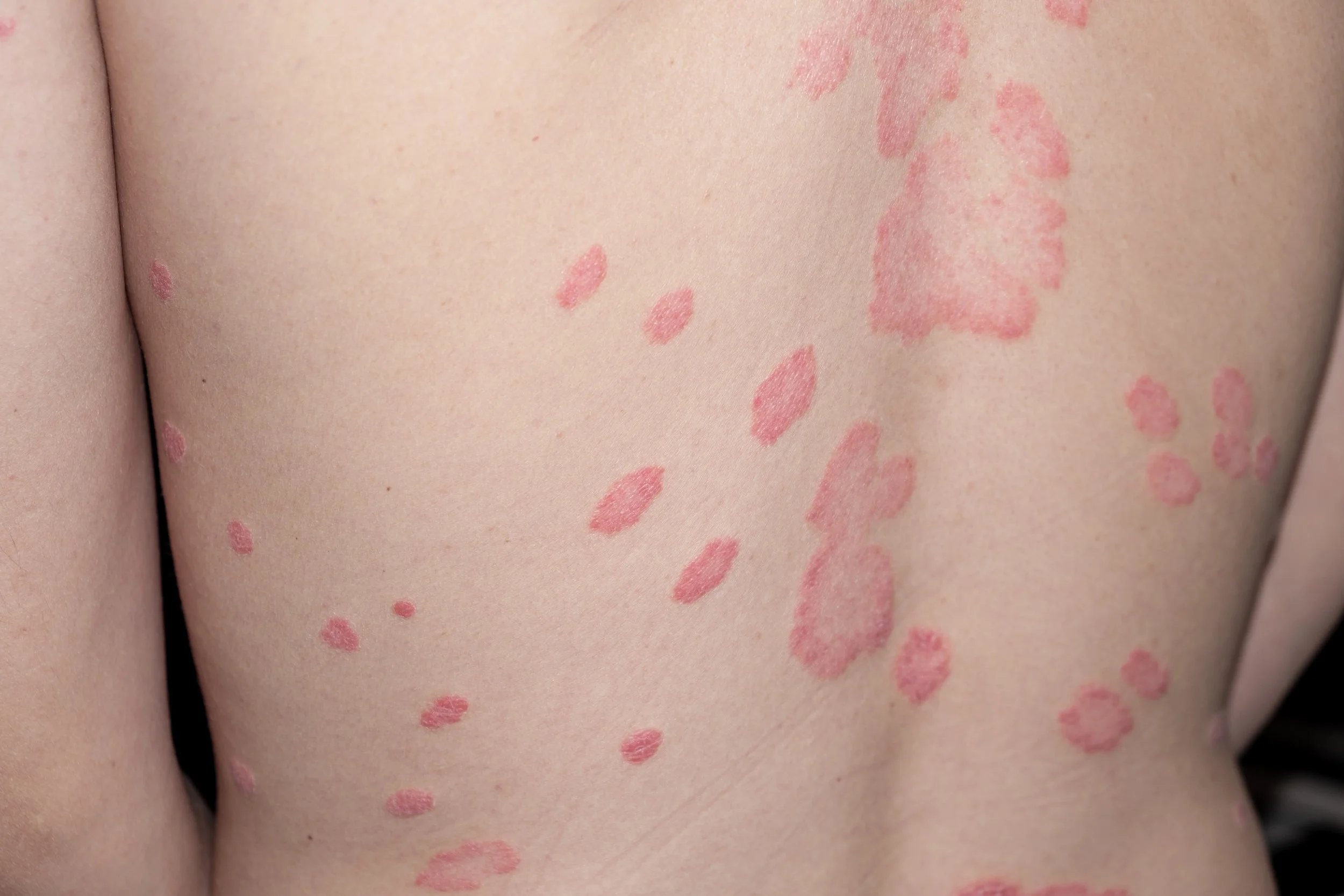
Psoriasis(สะเก็ดเงิน)
Psoriasis is a chronic immune-mediated skin disease that causes red, scaly patches and can be effectively managed with treatment, skincare, and avoidance of triggers.
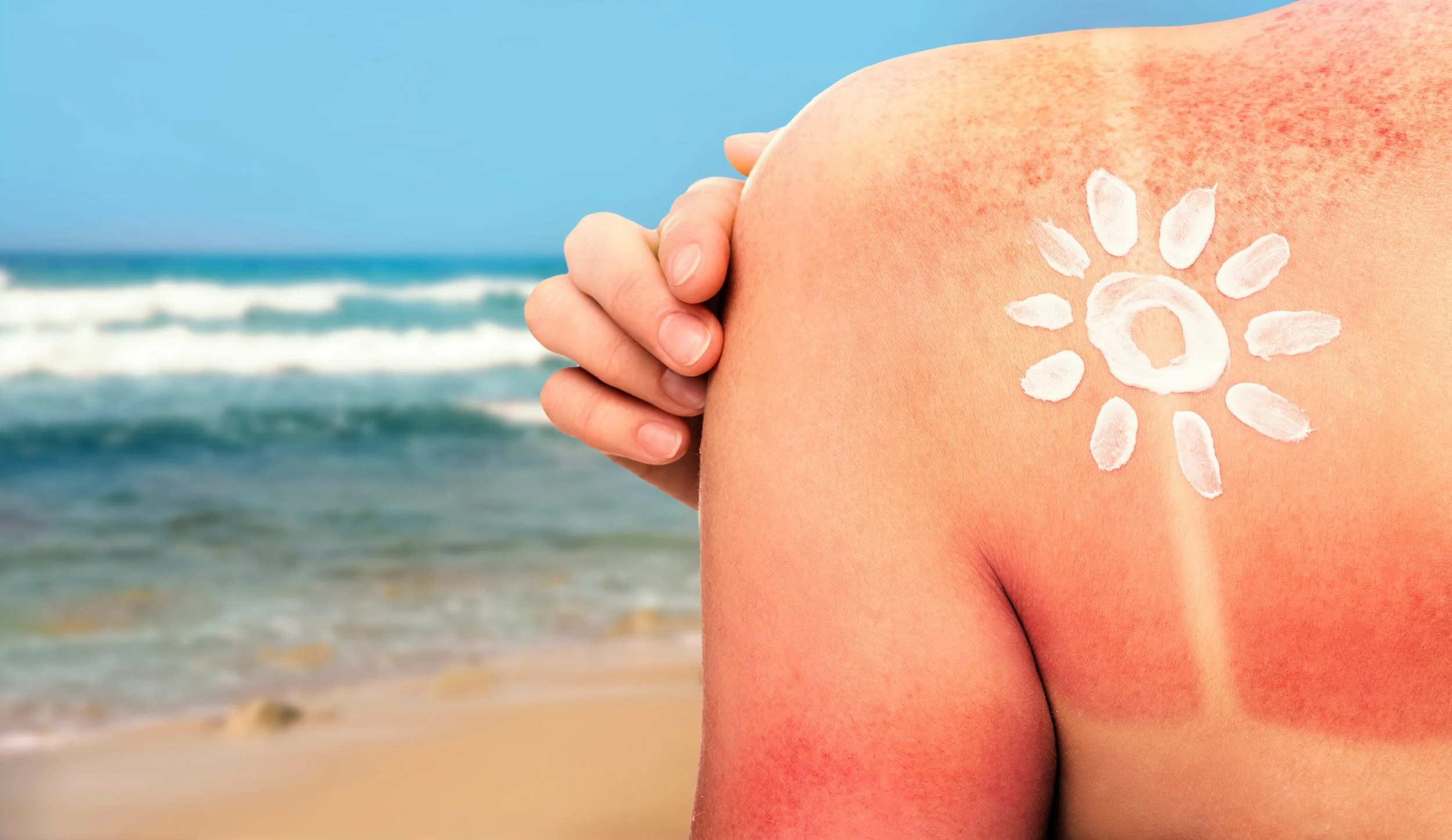
Skin Cancer(มะเร็งผิวหนัง)
Skin cancer is the uncontrolled growth of abnormal skin cells, mainly caused by UV exposure, and can be prevented through sun protection and early detection.