


Featured
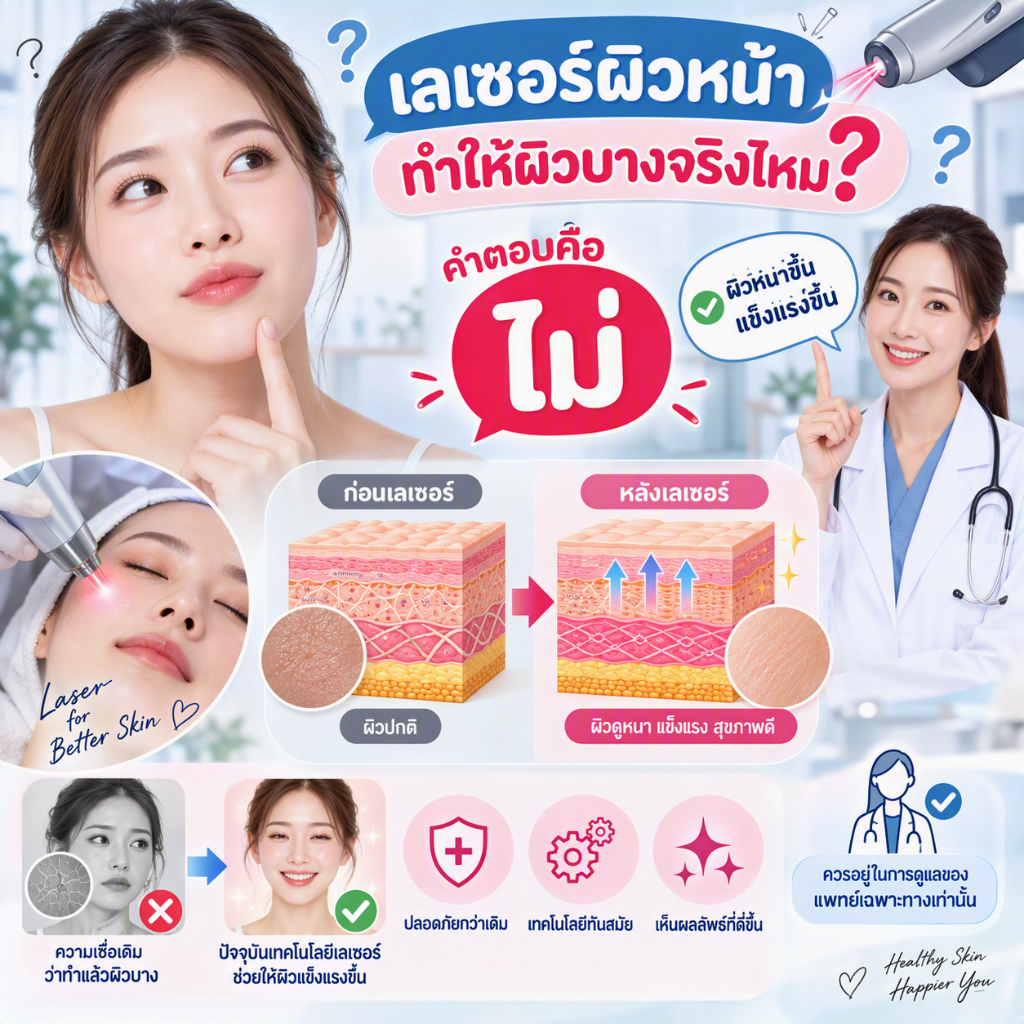






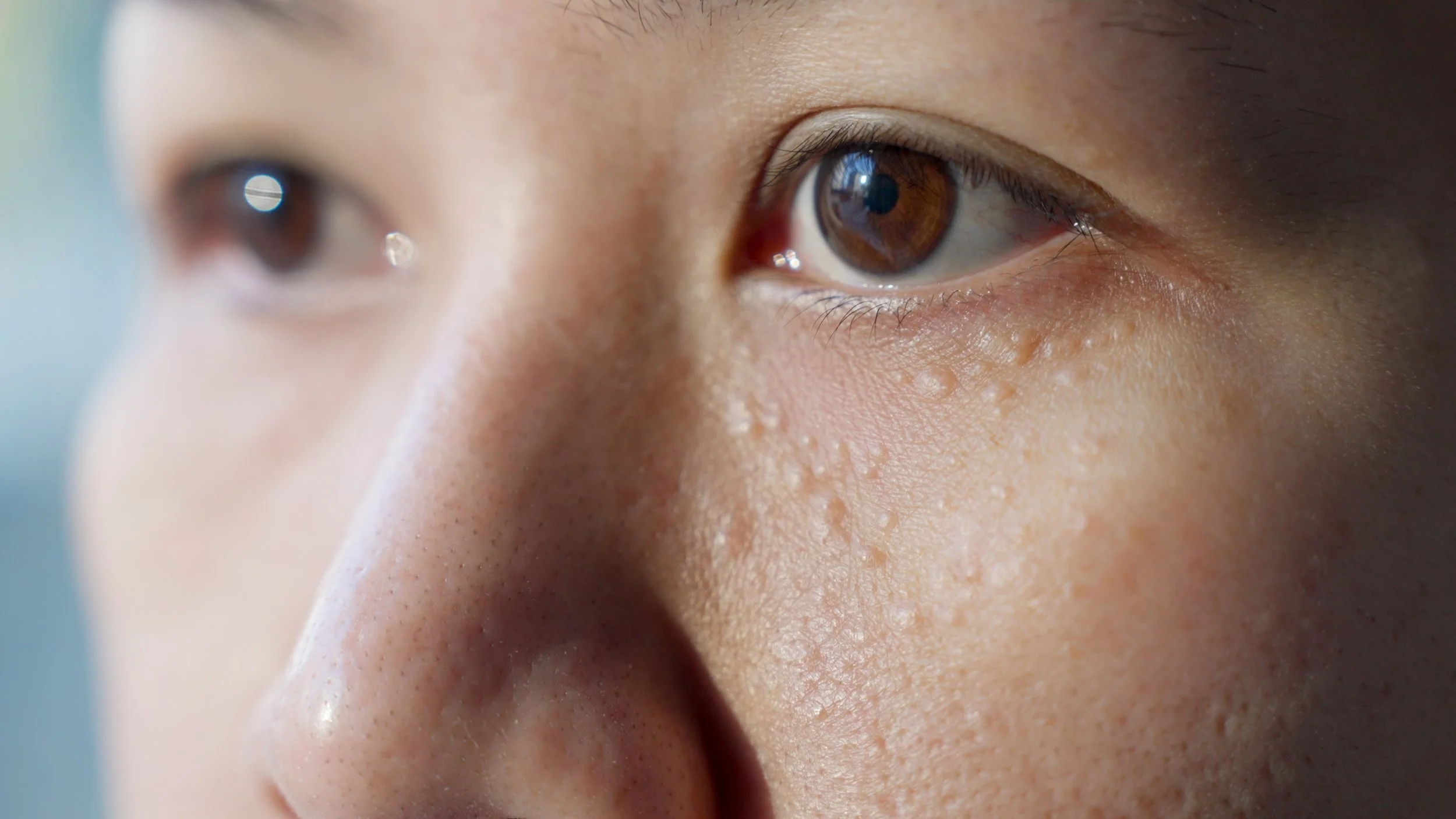



Myth busted: Modern facial laser treatments do not thin the skin; instead, when performed by a specialist, they build collagen to make it thicker and stronger.
Prevent athlete’s foot by washing and drying feet thoroughly, changing socks daily, avoiding shared towels, wearing sandals in public showers, keeping feet ventilated, and consulting a doctor if symptoms occur.
For smooth, radiant skin, cleanse gently, apply makeup downward, enjoy deep cleansing treatments, exfoliate regularly, and let your skin rest makeup-free at least once a week.
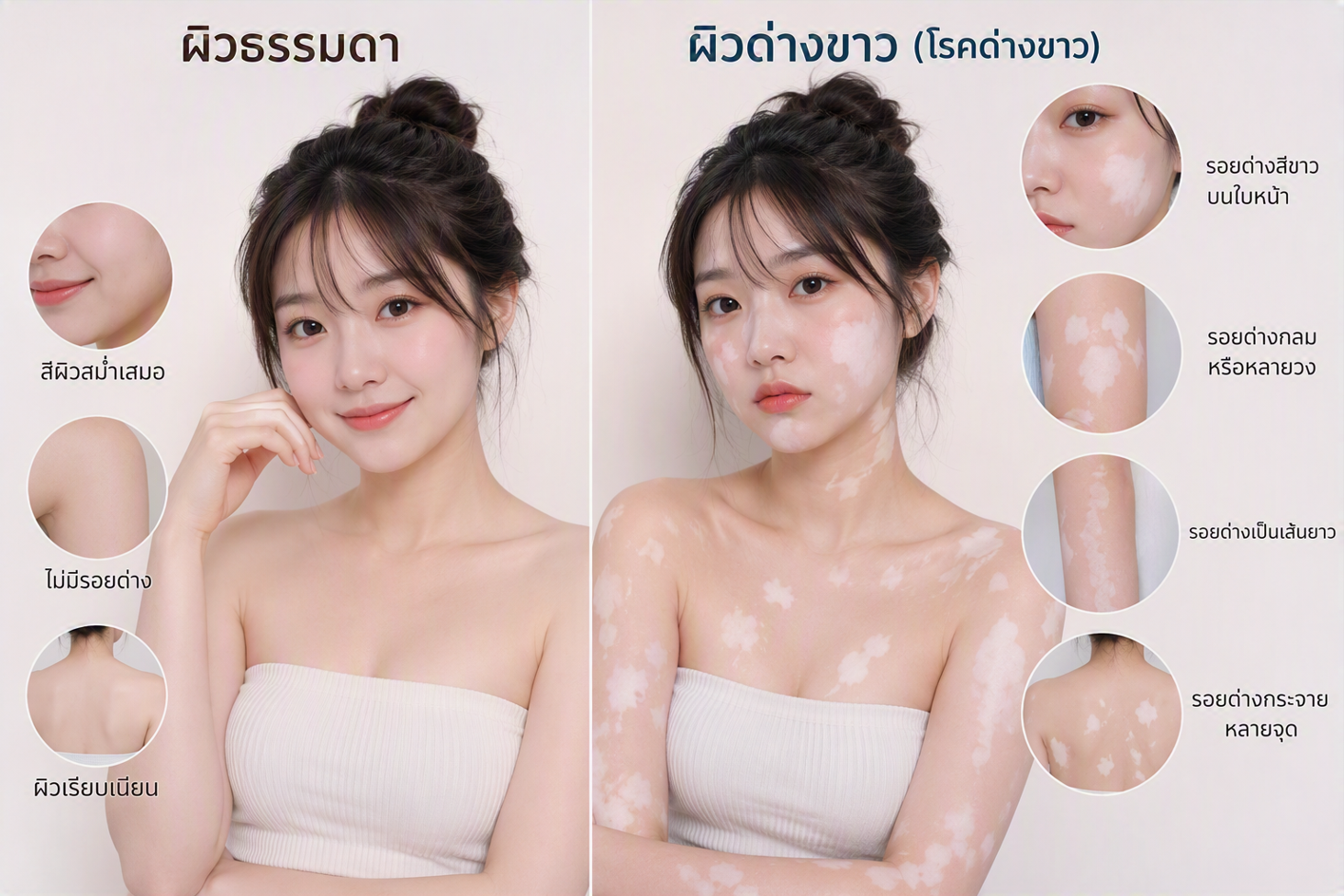
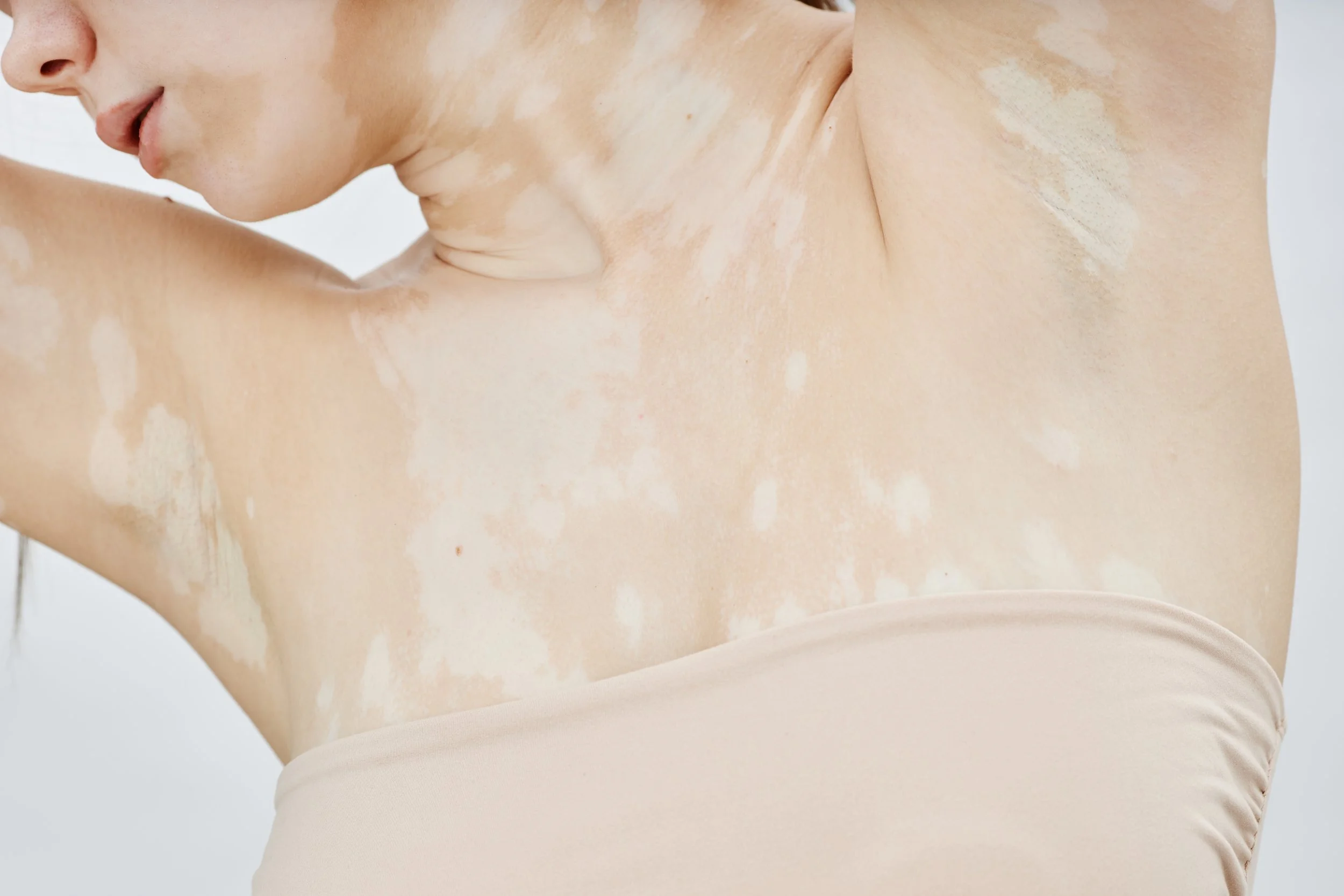
Vitiligo is an autoimmune skin disorder that destroys melanocytes, causing white patches; it can affect anyone, is not contagious, and may be treated with topical medications, phototherapy, laser therapy, or pigment transplantation.
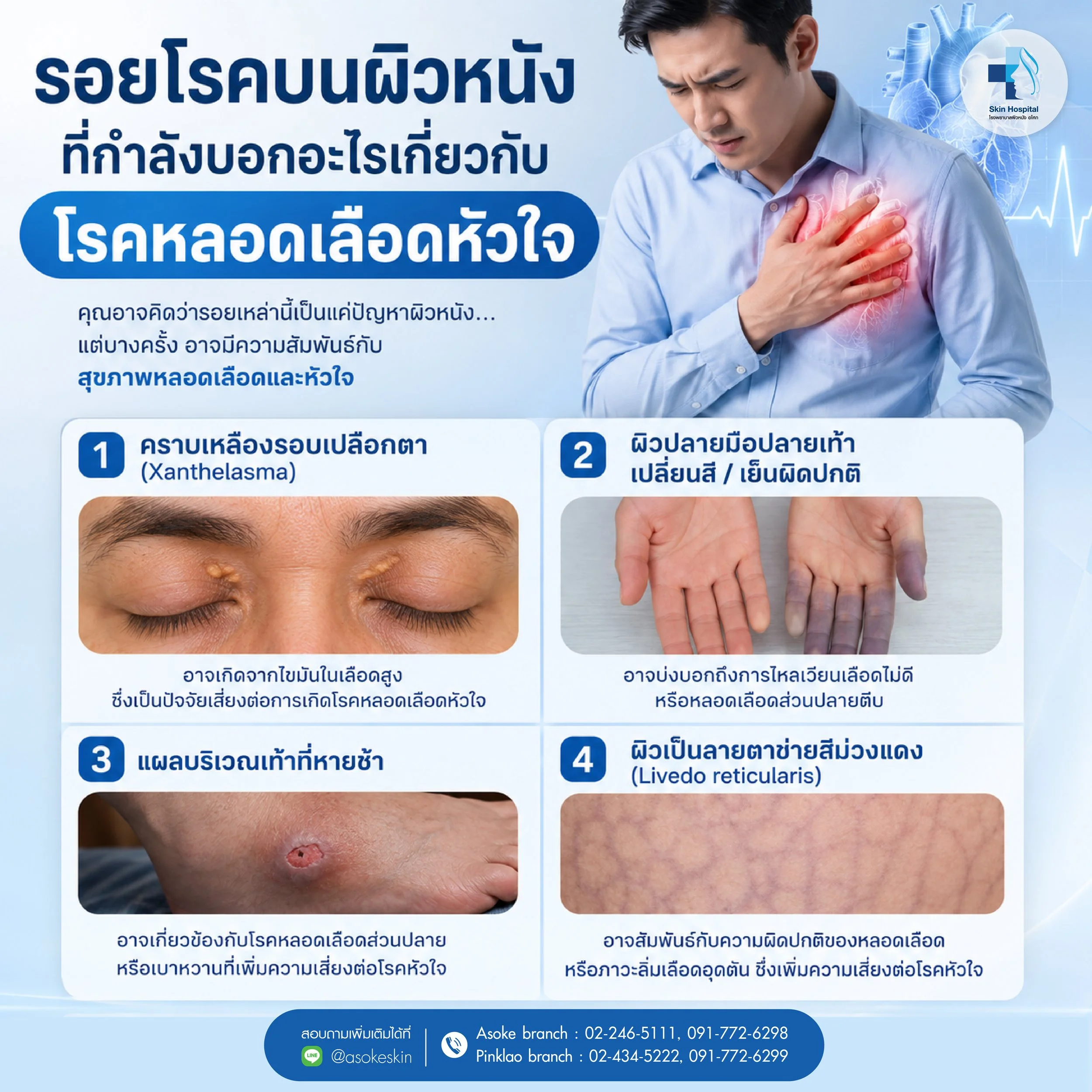
Skin changes such as xanthelasma, poor circulation, slow-healing foot wounds, or livedo reticularis may signal vascular risk and warrant medical evaluation, especially with heart-disease risk factors.
Proper hair care involves gentle cleansing, avoiding excessive heat and tight hairstyles, limiting chemical treatments, and eating a balanced diet rich in essential nutrients to maintain healthy hair.
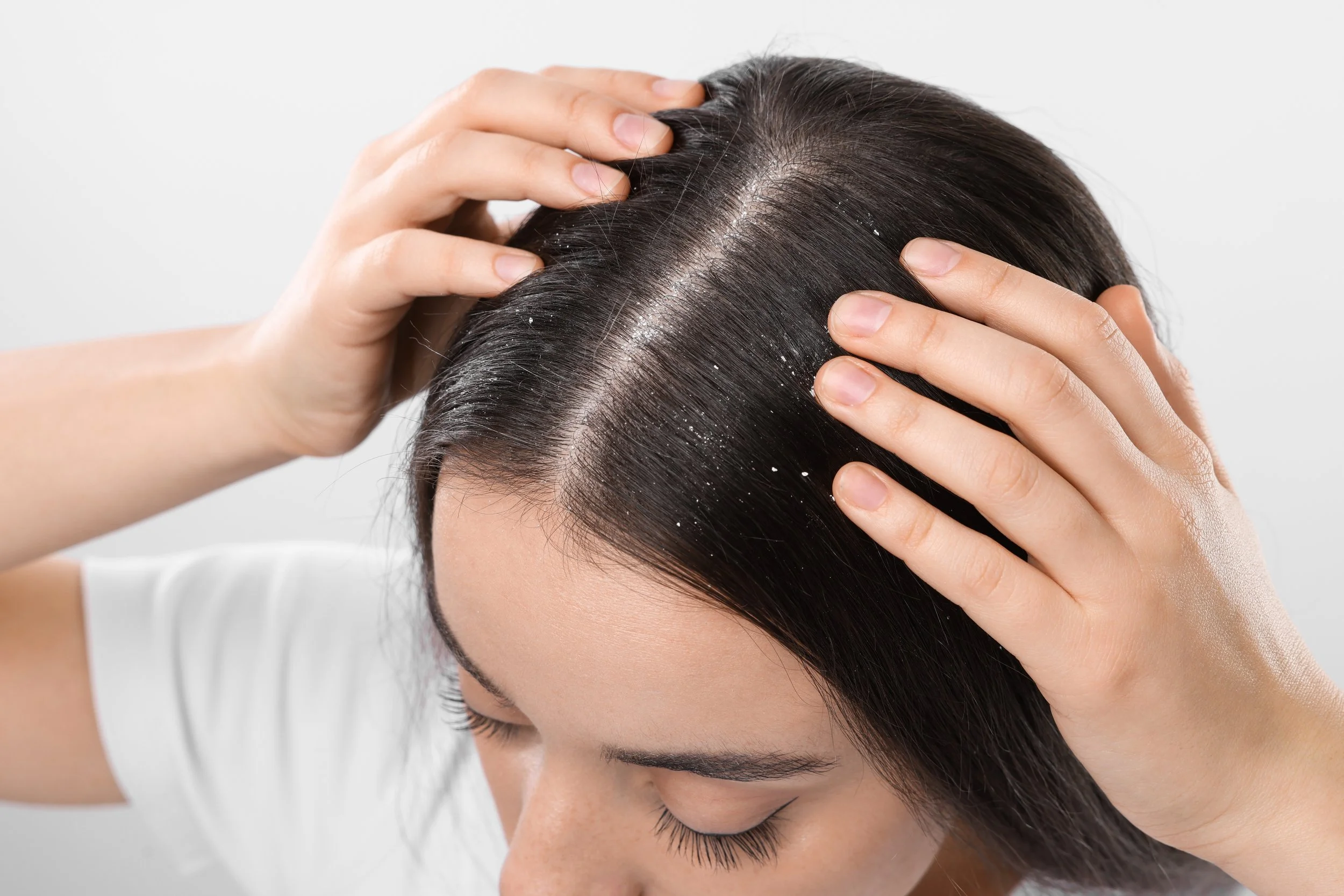
Treat dandruff by using anti-dandruff shampoo, maintaining proper scalp care, avoiding triggers, and consulting a doctor if symptoms are severe or persistent.
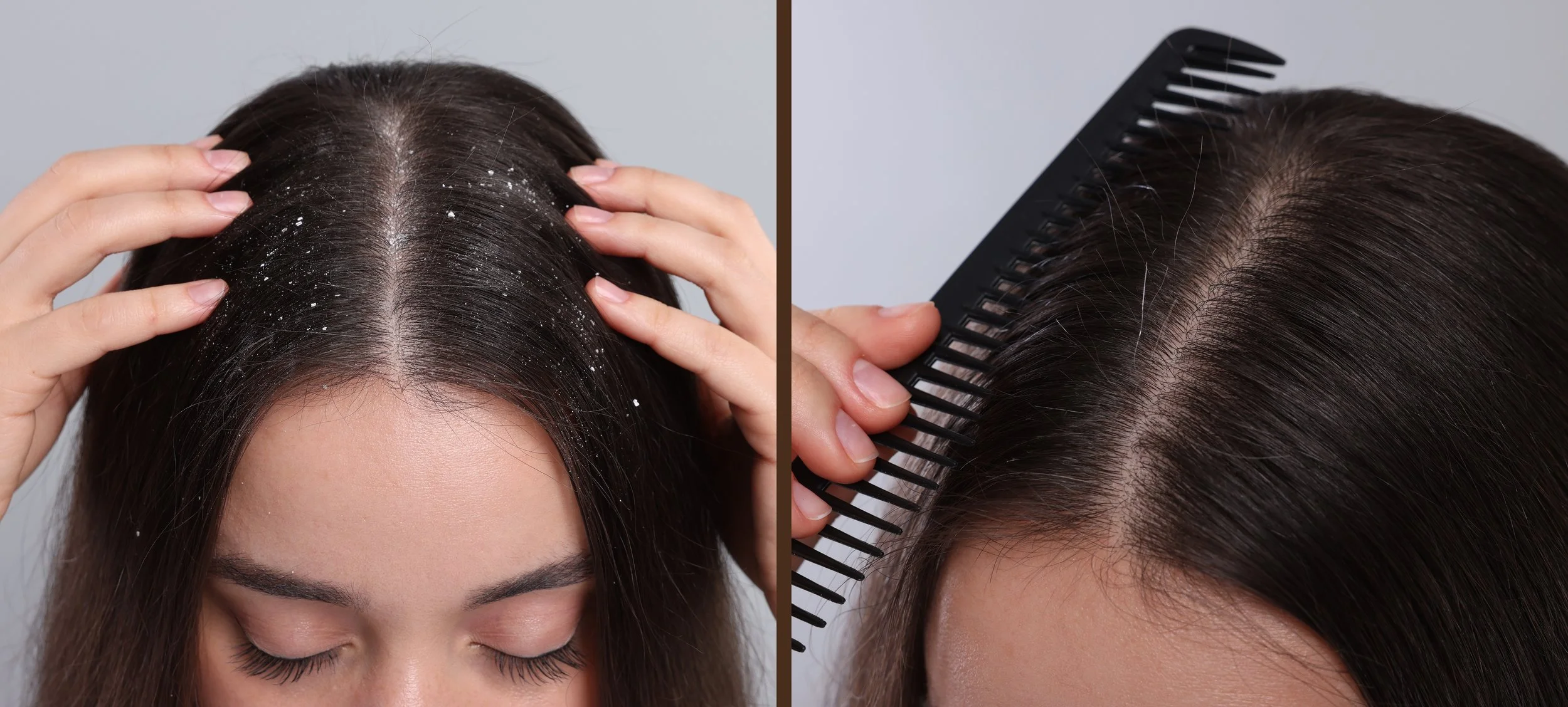
Dandruff is caused by accelerated scalp cell turnover, often linked to Malassezia yeast, scalp imbalance, and lifestyle factors such as stress, poor sleep, and weakened immunity.
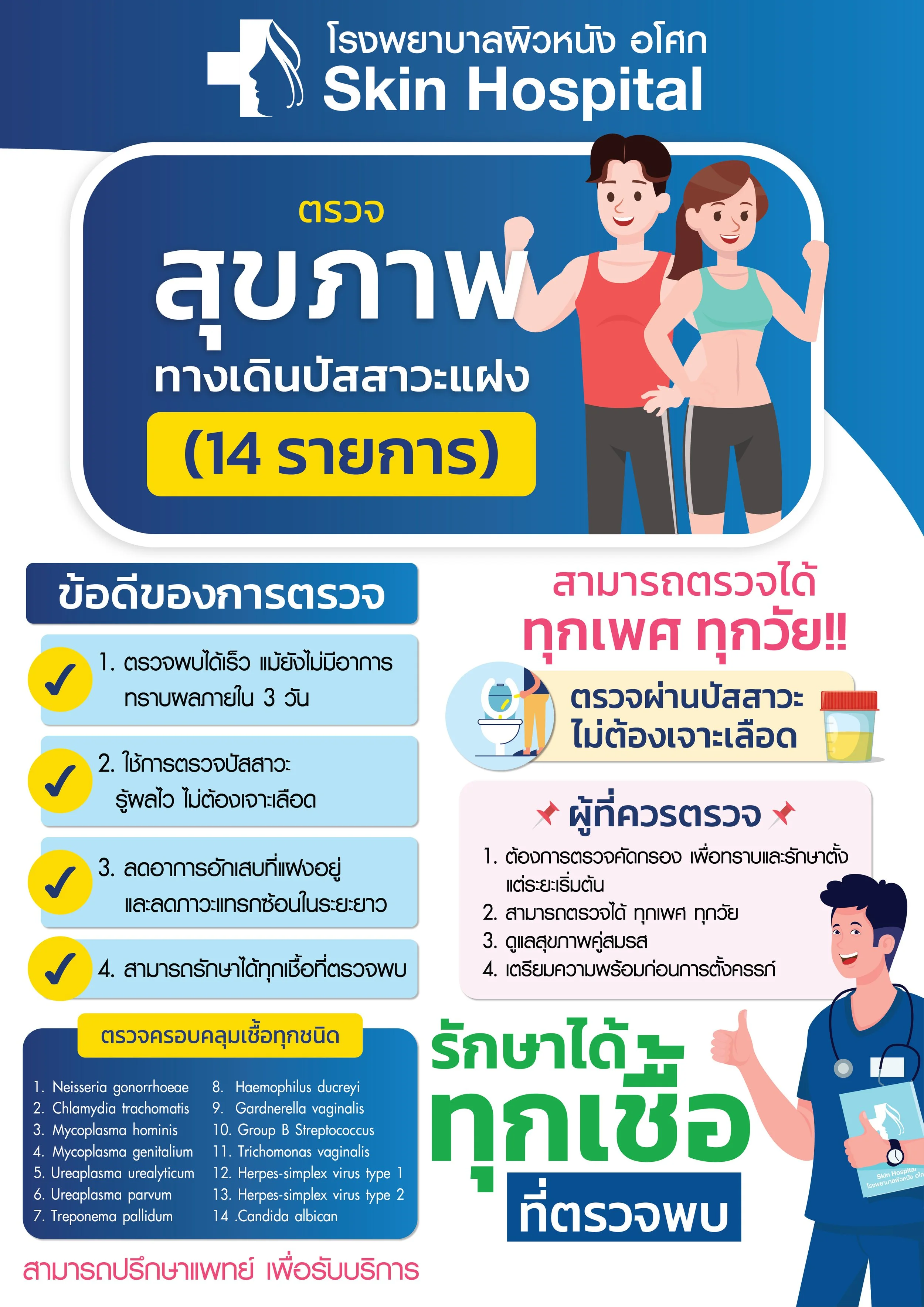
Detect hidden urinary tract infections early with a simple urine test—fast results in 3 days for timely treatment and better long-term urinary health.
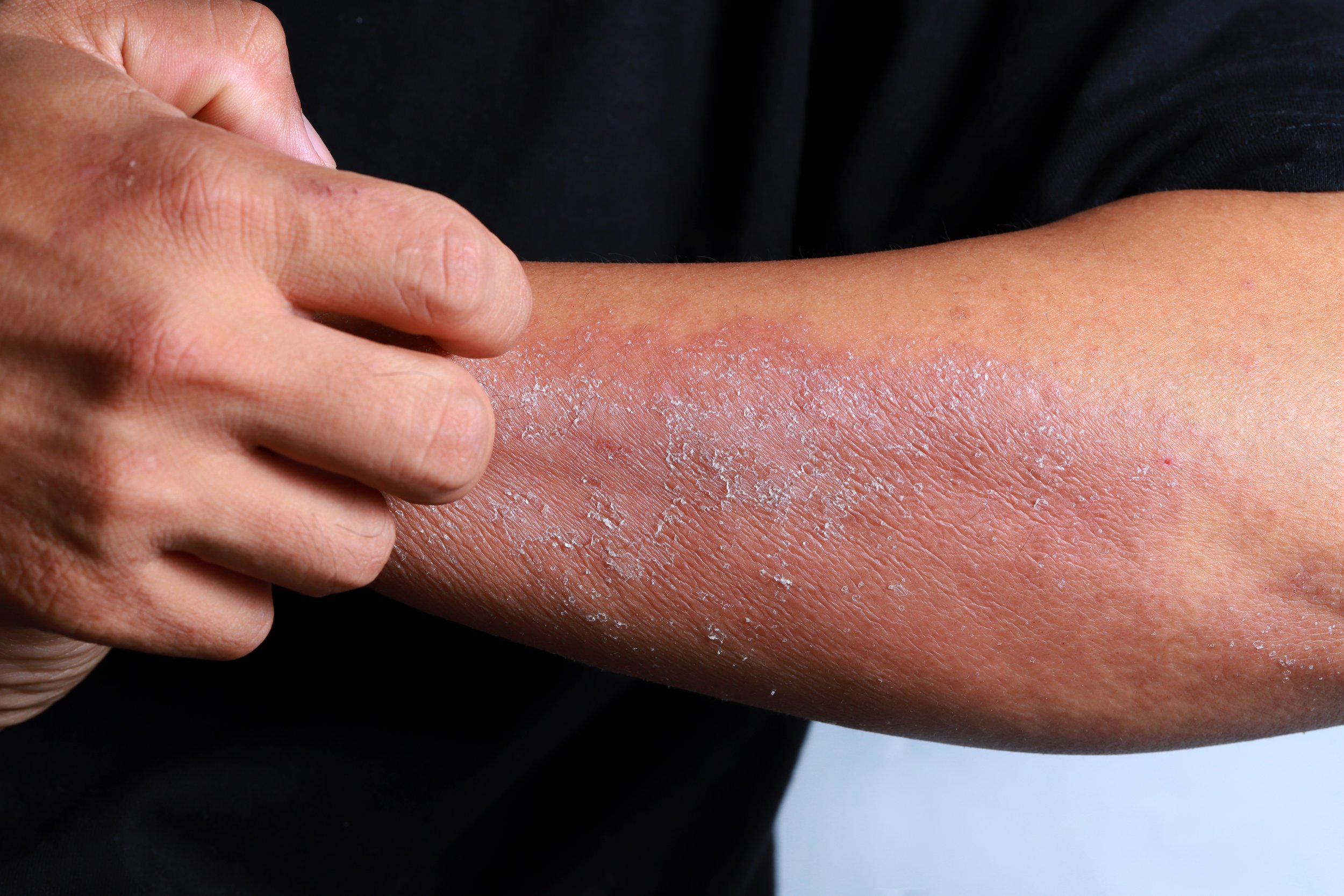
Nummular dermatitis is a chronic, non-contagious coin-shaped eczema that causes itchy or non-itchy round plaques and is managed with moisturizers, medium- to high-potency topical corticosteroids, treatment of any underlying infection, and regular medical follow-up.
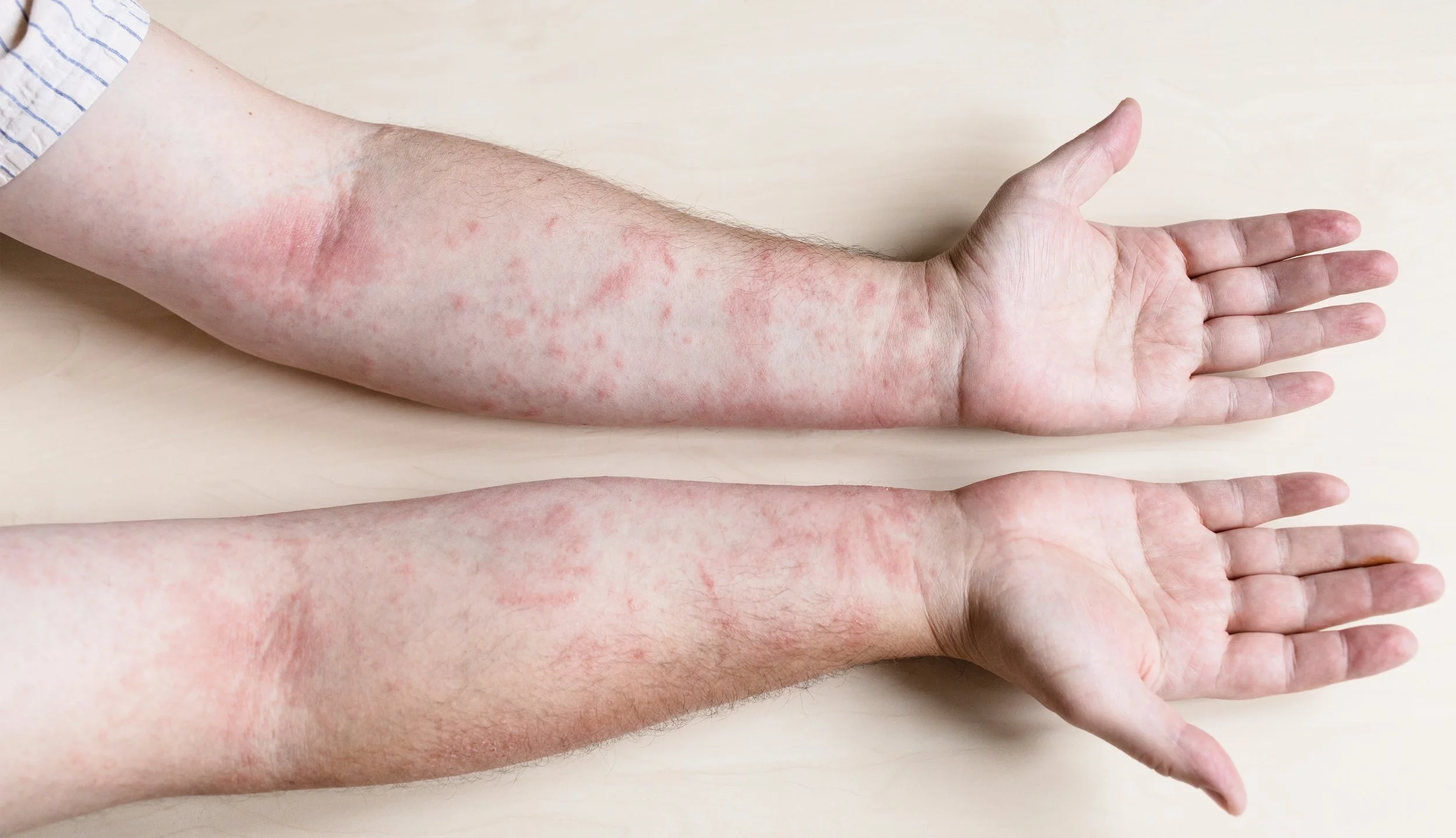
Contact dermatitis is an inflammatory skin condition caused by contact with irritants or allergens, leading to redness, itching, swelling, or blisters, and is best managed by avoiding triggers and caring for the skin.
Atopic dermatitis is a common chronic childhood skin condition causing dry, itchy skin, managed by avoiding triggers, proper skin care, and ongoing medical follow-up.
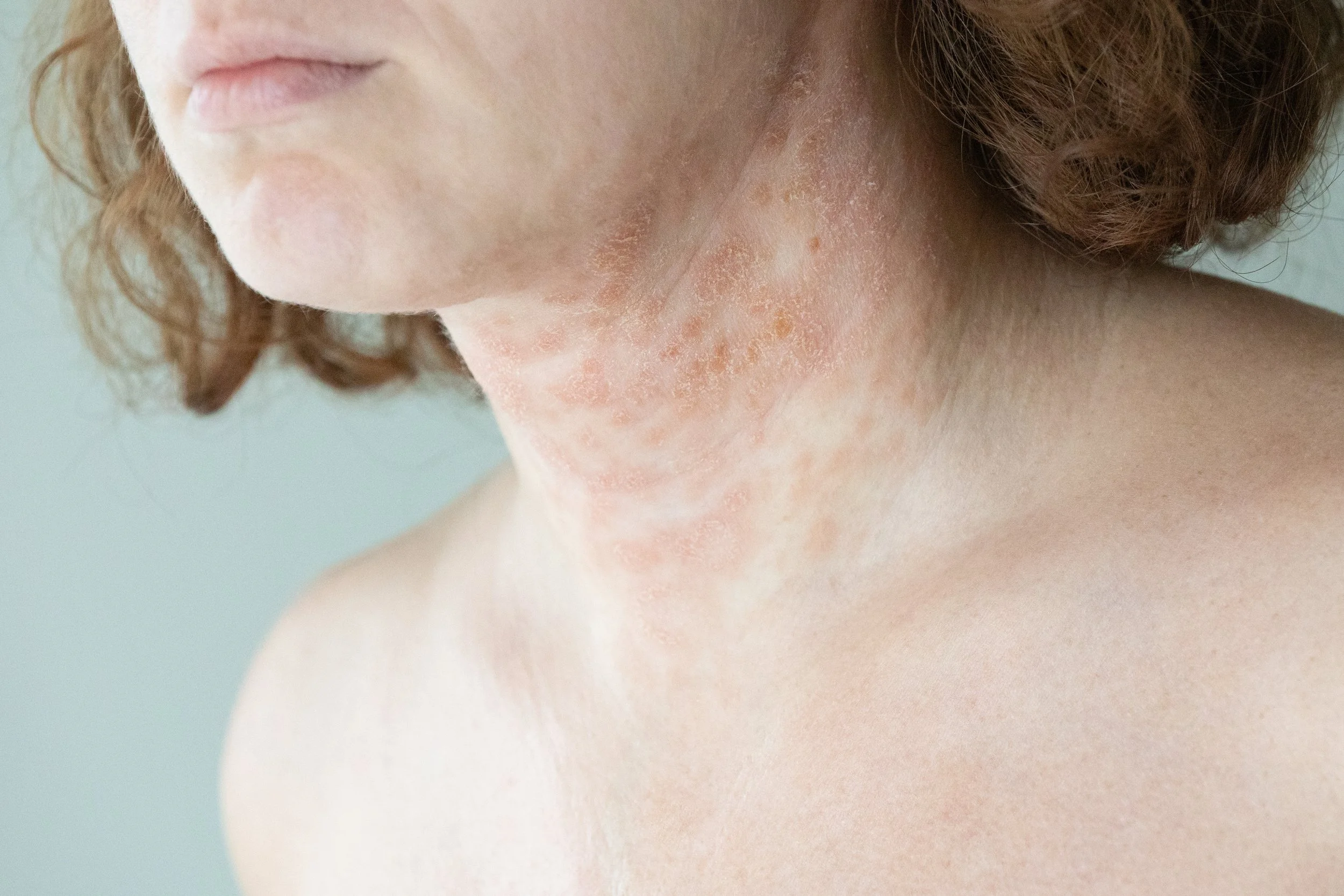
Eczema (Dermatitis) is a non-contagious inflammatory skin condition causing itchy, irritated rashes that progress from acute (red, oozing blisters) to subacute (dry, scaly skin) and chronic (thickened, darkened, intensely itchy skin).
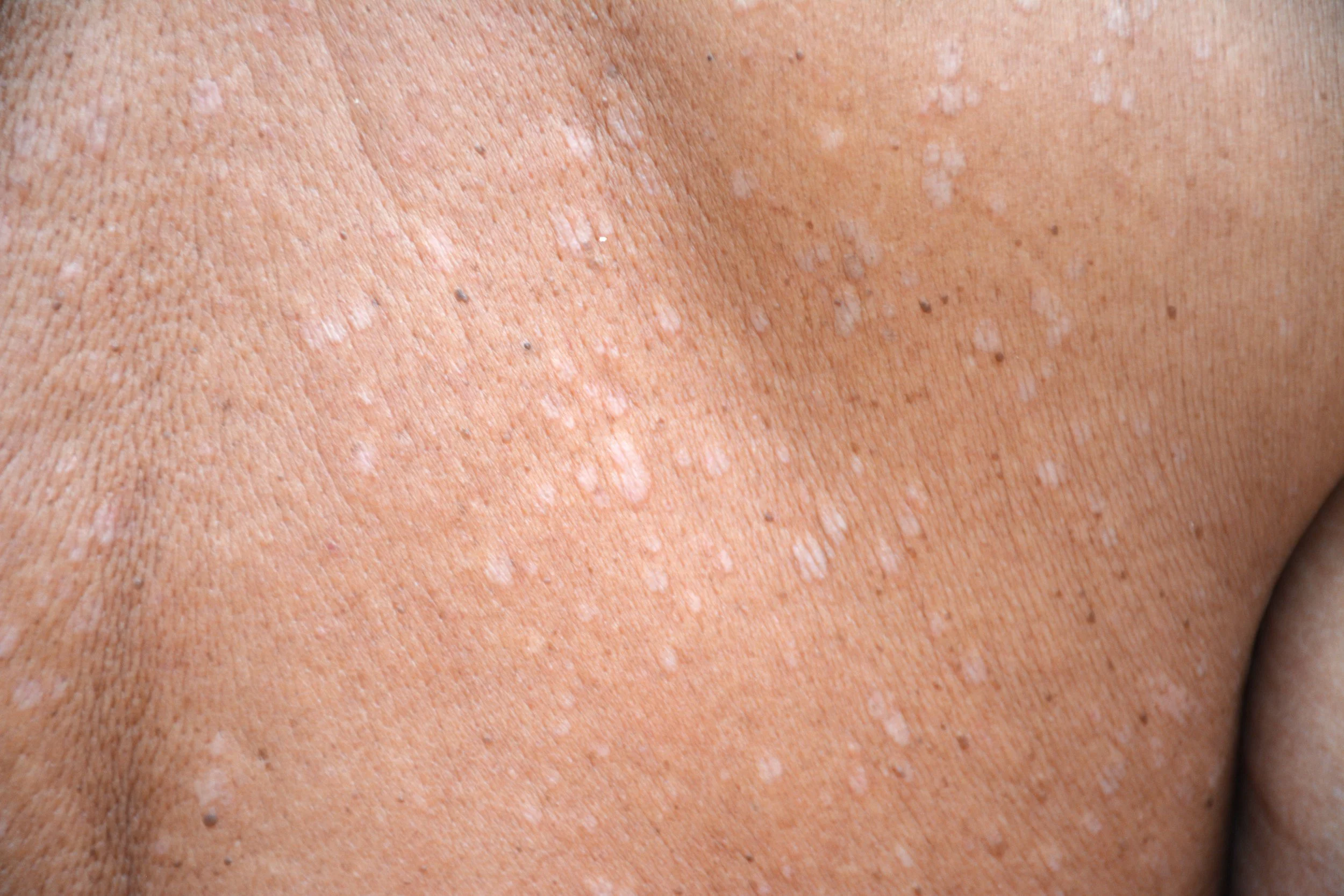
Pityriasis versicolor (tinea versicolor) is a common superficial fungal skin infection caused by overgrowth of Malassezia, resulting in discolored, slightly scaly patches that are treated with antifungals and helped by keeping the skin clean and dry.
Vitiligo is classified by lesion distribution into five types: focal (localized), segmental (one-sided), acrofacial (fingers, toes, and around the mouth), vulgaris (widespread), and universal (nearly entire body), with the latter three more commonly associated with endocrine diseases such as thyroid disease and diabetes.
Vitiligo is a chronic skin condition in which loss of pigment-producing cells causes well-defined white patches on the skin; while incurable, treatments can help restore skin color and proper skin care supports management.
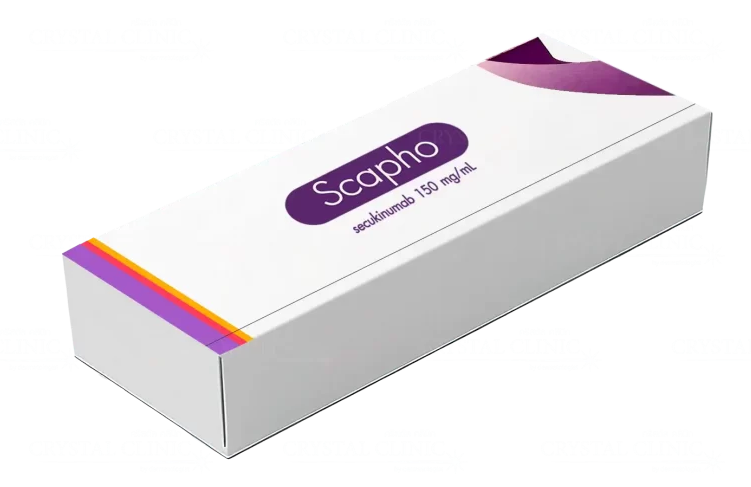
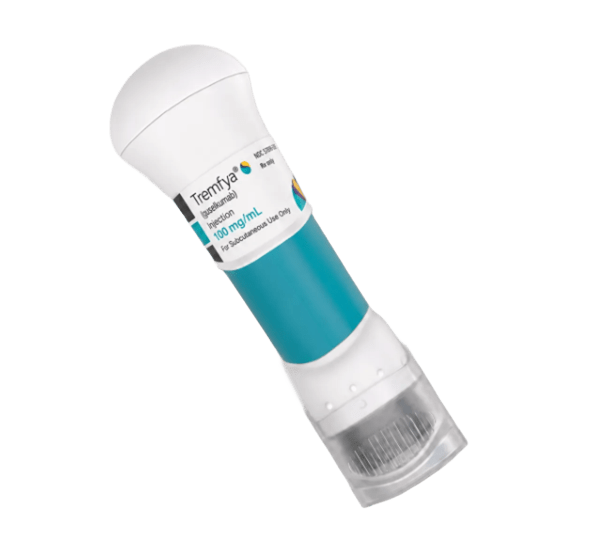
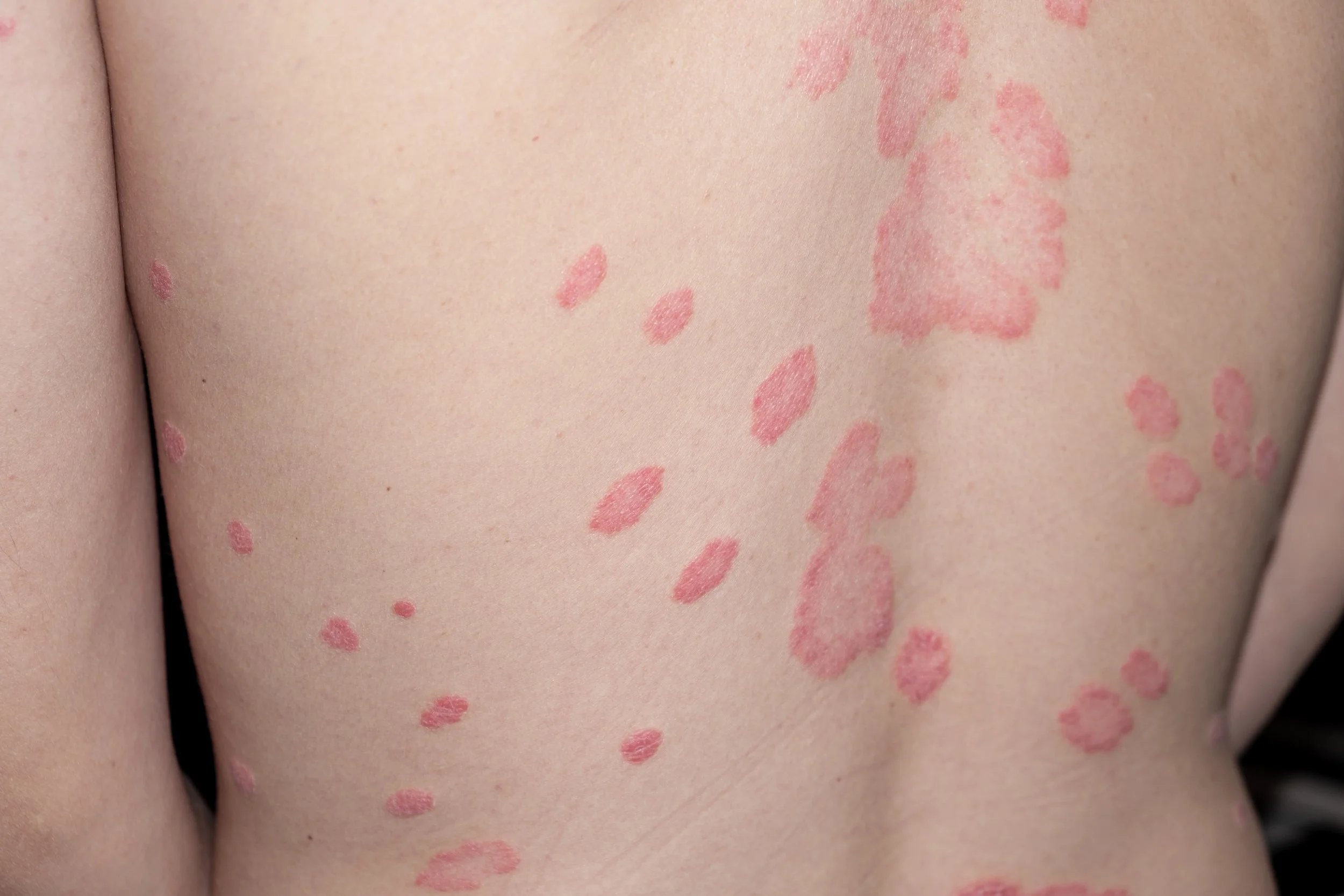
Psoriasis is a chronic immune-mediated skin disease that causes red, scaly patches and can be effectively managed with treatment, skincare, and avoidance of triggers.
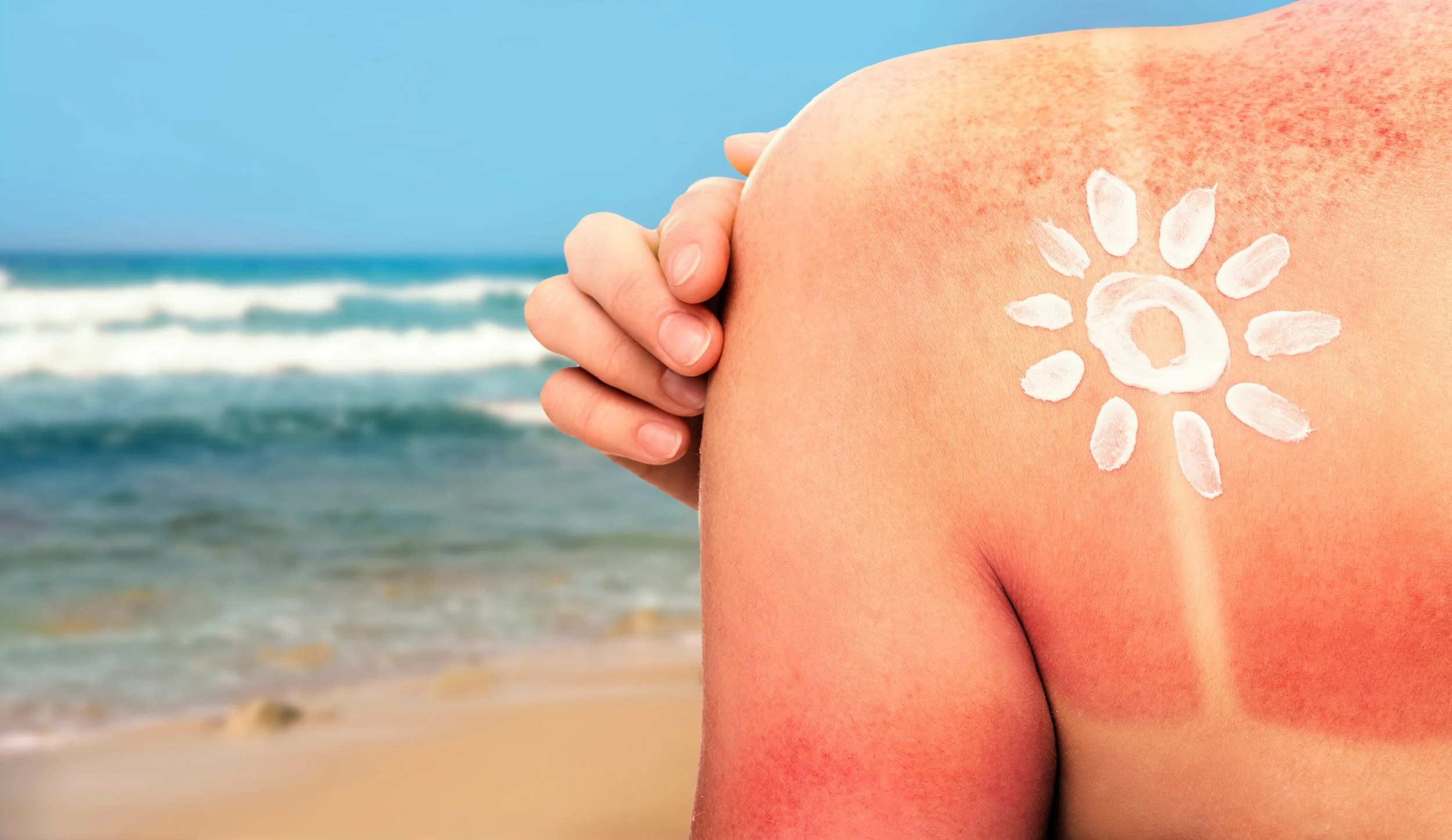
Skin cancer is the uncontrolled growth of abnormal skin cells, mainly caused by UV exposure, and can be prevented through sun protection and early detection.
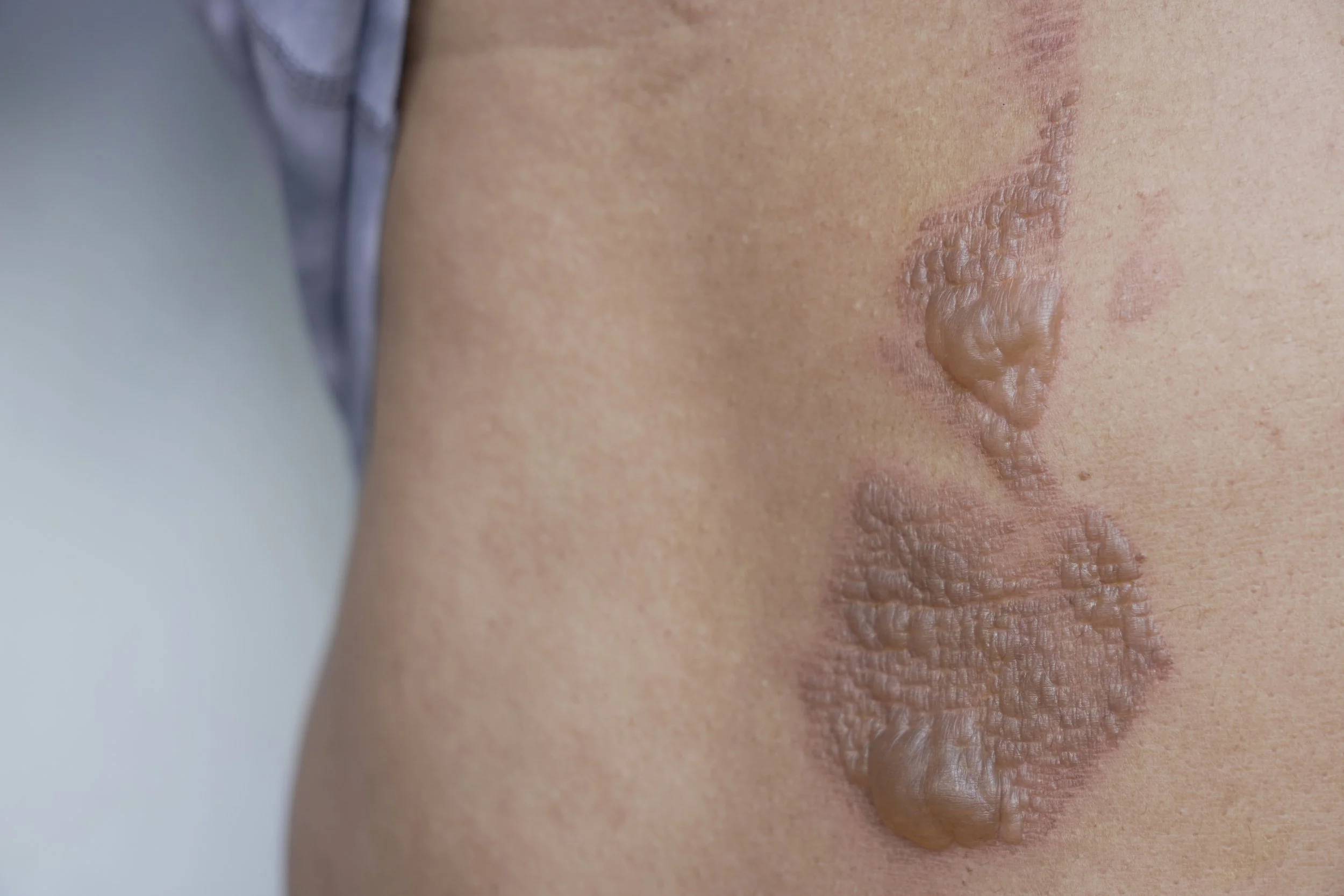
Keloid is an overgrowth of scar tissue that extends beyond the original wound, often appearing raised, firm, and persistent after skin injury.
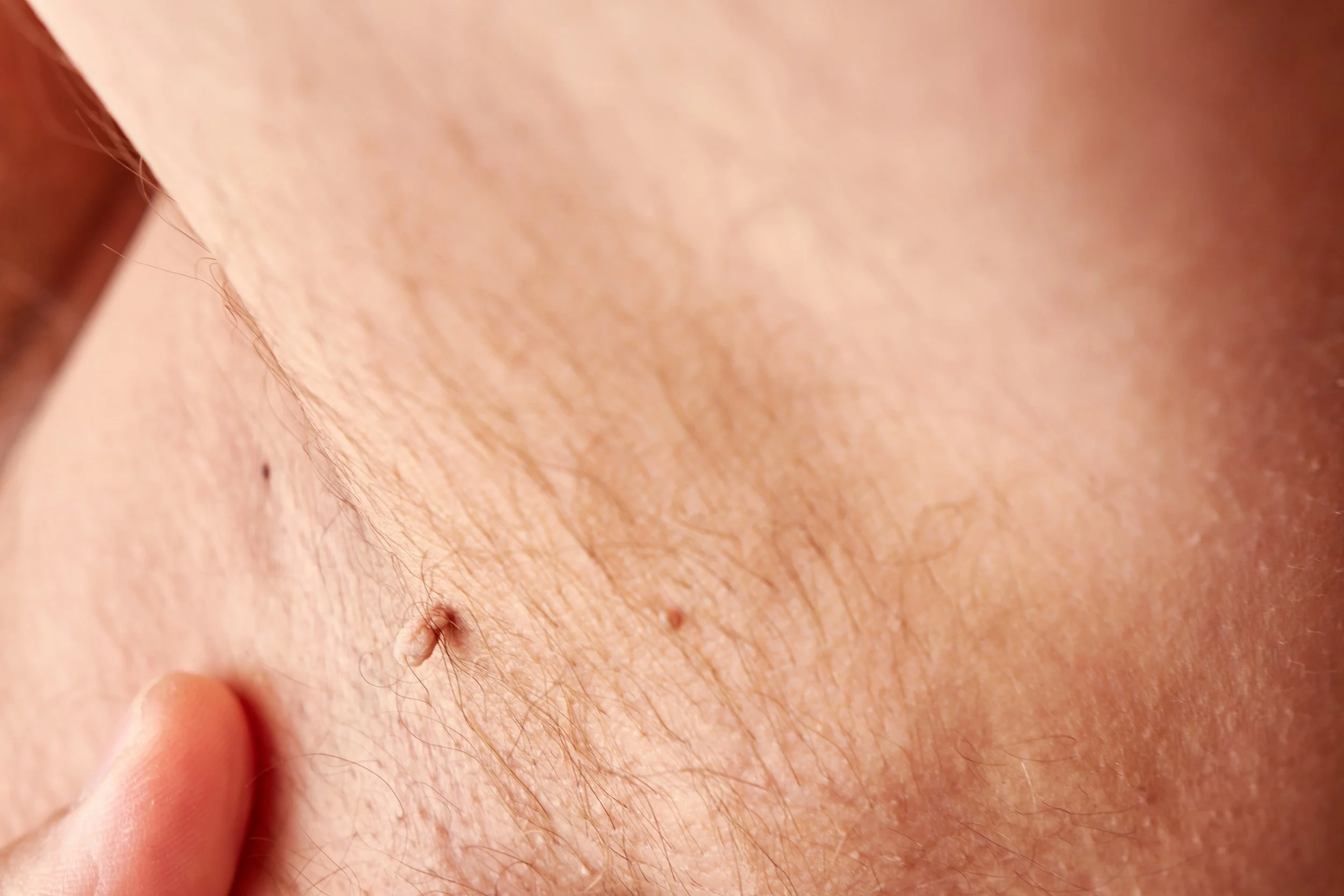
Skin tags are common benign skin growths, especially in adults over 50; maintaining a healthy weight, reducing skin friction, managing underlying conditions, and monitoring skin changes can help prevent them and identify when medical evaluation is needed.
Butterfly rash is a characteristic facial rash often seen in Systemic Lupus Erythematosus (SLE), an autoimmune disease that can affect multiple organs throughout the body.
Seborrheic Keratosis (SK) is a common, noncancerous skin growth in adults, appearing as a waxy, raised lesion that may be skin-colored to dark brown and can be removed by cryotherapy, curettage, or laser if needed.
Common facial skin allergens and irritants include fragrances, preservatives, alcohol, exfoliating acids/retinoids, essential oils, harsh cleansers (SLS/SLES), certain sunscreens and makeup ingredients, toothpaste components, detergents, masks, and even natural products such as aloe vera, coconut oil, and herbal extracts.
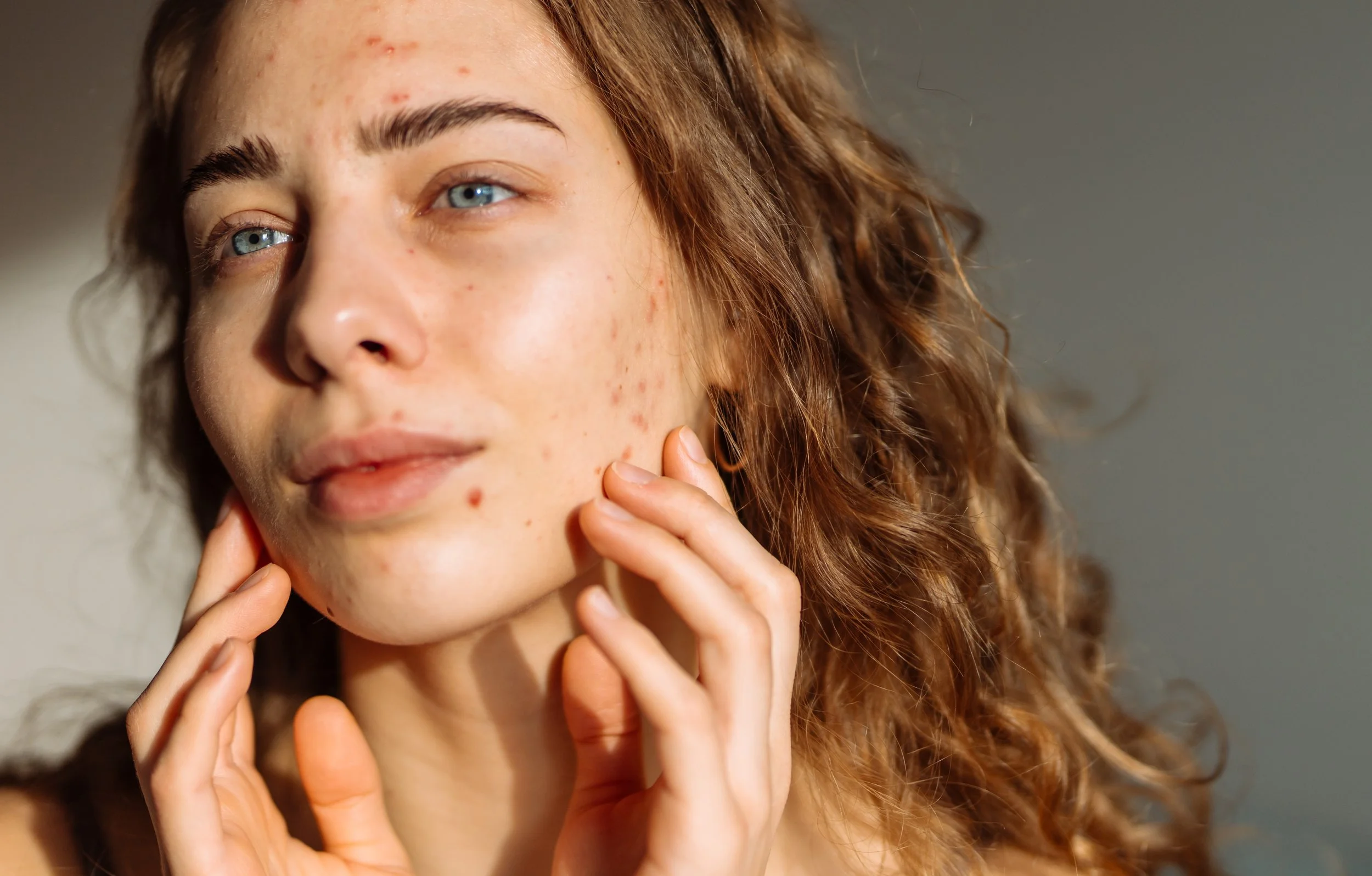
Facial redness and rashes may be caused by various inflammatory skin conditions—including seborrheic dermatitis, eczema, contact dermatitis, rosacea, acne, and steroid-induced skin damage—requiring accurate diagnosis for effective prevention and treatment.
Use steroids only as prescribed by a physician, in the appropriate strength and for the shortest effective duration; while they can safely reduce inflammation, some conditions may require long-term use under medical supervision, such as for immunosuppression.
Use steroids only when medically necessary and under professional supervision, choosing the right type and duration to minimize side effects and avoid complications.
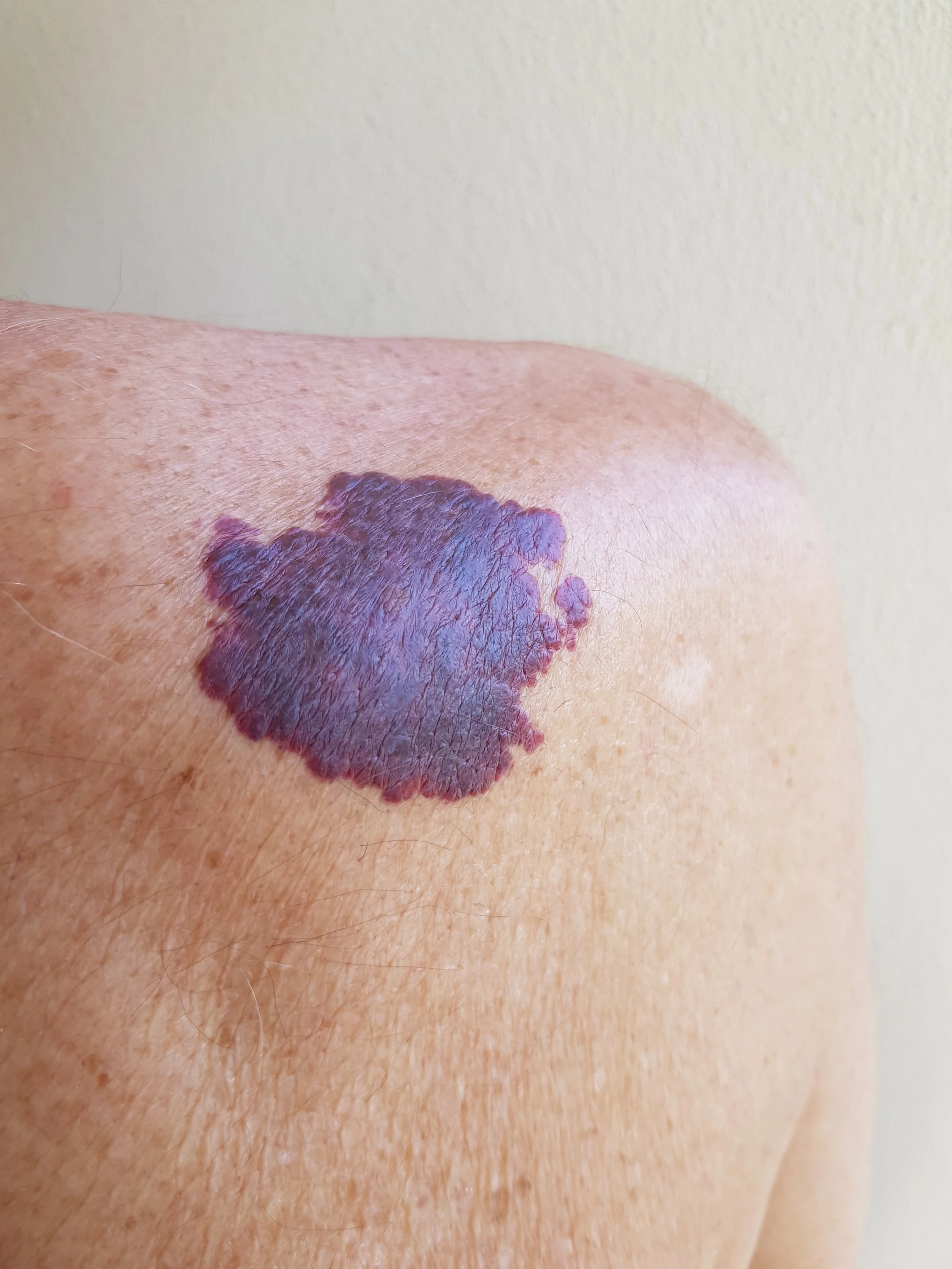
Port-wine stains are congenital vascular birthmarks that persist and may darken and thicken over time; pulsed dye laser is the standard treatment, and facial lesions near the eyes may be associated with brain or eye vascular abnormalities requiring further evaluation.
Hemangioma is a common benign vascular tumor in infants that grows rapidly during the first year of life, then gradually regresses, though treatment may be needed if it affects vital areas or causes complications.